
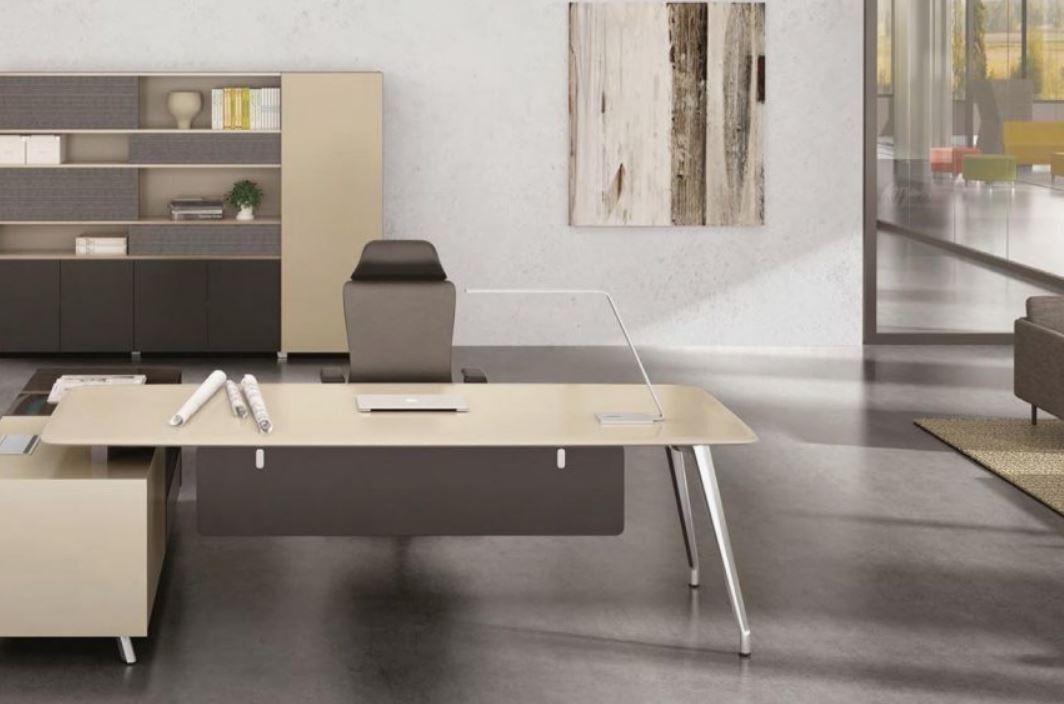
Modern workplaces are becoming more conscious of how furniture choices affect employees, business operations, and the environment. Sustainable Office Furniture offers businesses a practical way to create attractive and functional workspaces while making more responsible purchasing decisions. For companies in Manila and Quezon City, choosing durable desks, ergonomic chairs, modular workstations, storage units, and meeting-room furniture can also support long-term cost efficiency.
Sustainability in office furniture is not simply about choosing products made from recycled materials. It involves considering the entire lifecycle of a product, including the materials used, manufacturing process, durability, repairability, transportation, and eventual disposal. Businesses that understand these factors can make better purchasing decisions while creating professional environments that support productivity and employee comfort.
What Is Sustainable Office Furniture?
Sustainable office furniture refers to workplace furniture designed, manufactured, used, and disposed of with reduced environmental impact. It may include furniture made from responsibly sourced materials, recycled or recyclable components, low-emission finishes, durable construction, and designs that can be repaired or reconfigured instead of replaced.
For businesses, sustainability should also be viewed from a practical perspective. A desk that lasts for many years may be a more responsible investment than a cheaper product that needs frequent replacement. Similarly, modular office workstations can adapt as teams grow or office layouts change, reducing the need to purchase completely new furniture.
This makes sustainability relevant to both environmental goals and business planning.
Why Businesses in Manila and Quezon City Are Choosing Sustainable Furniture
Office furniture has a direct impact on how a workplace looks, functions, and feels. Businesses increasingly want workspaces that reflect professional standards while supporting responsible operations.
In Manila and Quezon City, offices often need to make efficient use of available space. Sustainable furniture can support this requirement through modular desks, flexible workstations, compact storage, collaborative tables, and adaptable seating arrangements.
Durability is another important consideration. Furniture used every working day experiences considerable wear. Selecting strong materials and quality construction can reduce replacement frequency and help businesses manage long-term furniture costs.
Sustainable furniture can also contribute to a company’s workplace image. Businesses that prioritize responsible purchasing may find it easier to communicate their environmental values to employees, clients, partners, and other stakeholders.
Materials That Matter in Sustainable Office Furniture
The materials used in office furniture can influence its environmental footprint and longevity. Wood, metal, glass, recycled materials, and engineered boards can all be used effectively when selected and manufactured responsibly.
Responsibly sourced wood can be an attractive option for desks, conference tables, cabinets, and reception furniture. Metal can provide strength and durability for workstation frames, filing systems, and storage solutions. Glass can create a modern appearance while allowing natural light to move through an office.
Recycled and recyclable materials can also play an important role. However, businesses should look beyond marketing labels and consider the quality, expected lifespan, maintenance requirements, and recyclability of the complete product.
A sustainable purchase is not automatically the best choice simply because one component is recycled. The entire product should be evaluated.
Durability Should Be a Major Buying Factor
One of the simplest ways to make an office furniture purchase more sustainable is to prioritize durability.
A well-built office desk can remain useful for years when properly maintained. The same applies to ergonomic chairs, storage cabinets, meeting tables, and modular workstations. Longer product lifespans can reduce the demand for frequent replacements and minimize furniture waste.
When evaluating furniture, businesses should consider the strength of the frame, quality of surfaces, hardware, joints, finishes, and replaceable components. It is also useful to ask whether damaged parts can be repaired instead of replacing the entire product.
For procurement teams, durability can be included as a formal purchasing criterion alongside price, dimensions, appearance, warranty, and functionality.
Modular Furniture Makes Offices More Adaptable
Office requirements can change quickly. A startup may grow from a small team into a larger organization, while an established company may reorganize departments or introduce hybrid working arrangements.
Modular furniture makes these changes easier to manage. Workstations can often be rearranged, expanded, reduced, or relocated without completely replacing the office setup.
This flexibility can make modular office furniture particularly useful for businesses in Manila and Quezon City where efficient space planning is important.
Instead of treating furniture as a permanent arrangement, businesses can select systems that adapt to future requirements. This can reduce unnecessary purchases and help companies get greater value from their furniture investment.
Sustainable Furniture and Employee Comfort
Sustainability should not come at the expense of employee comfort.
Office furniture needs to support the people who use it every day. Ergonomic office chairs, correctly sized desks, adjustable workstations, supportive seating, and properly planned layouts can contribute to a more comfortable workplace.
An environmentally responsible office can still include modern ergonomic solutions. In fact, choosing durable ergonomic furniture can provide two benefits at once: a longer product lifespan and better workplace functionality.
Businesses should therefore consider sustainability, ergonomics, accessibility, and productivity together rather than treating them as separate purchasing decisions.
How to Choose Sustainable Office Furniture
The right furniture depends on the size of the office, budget, workplace design, number of employees, and expected future requirements.
Start by identifying which furniture is actually required. Avoid purchasing unnecessary items simply because they are inexpensive or visually appealing. Next, evaluate materials, construction quality, warranty coverage, maintenance requirements, and expected lifespan.
Businesses should also consider whether furniture can be repaired, refurbished, reused, reconfigured, or recycled. Modular designs can be particularly valuable when future office changes are expected.
It is also worth asking suppliers specific questions about their products. Understanding where materials come from, how products are constructed, and what happens when furniture reaches the end of its useful life can help procurement teams make more informed decisions.
Sustainable Office Furniture for Different Workplace Areas
Different office zones require different furniture solutions.
Workstations need functional desks, ergonomic seating, cable management, and storage. Meeting rooms may require conference tables, comfortable chairs, and technology-friendly layouts. Reception areas need furniture that creates a professional first impression while remaining durable enough for regular use.
Break rooms and collaborative spaces can benefit from flexible tables and seating that encourage interaction. Private offices may require executive desks, storage cabinets, visitor chairs, and shelving.
A sustainable approach means selecting furniture according to actual use rather than applying the same solution throughout the entire office.
Cost vs. Long-Term Value
Price is naturally important when purchasing office furniture, but the cheapest product is not always the most economical choice.
A low-cost desk that needs replacement after a short period may ultimately cost more than a durable desk that remains functional for many years. Businesses should therefore consider total value rather than only the initial purchase price.
Important factors include durability, maintenance, repairability, warranty, adaptability, and expected lifespan.
This approach can be especially useful for larger organizations purchasing furniture for multiple departments, branches, schools, healthcare facilities, or government offices.
How Queens Arts and Trends Can Support Better Office Furniture Decisions
When businesses are planning a new workspace or updating an existing office, Queens Arts and Trends can be considered as part of the furniture selection process. The goal should be to choose furniture that matches the workplace’s practical requirements, design direction, available space, and long-term needs.
Whether the requirement involves office desks, ergonomic seating, workstations, storage solutions, meeting-room furniture, or complete office setups, businesses should evaluate products based on quality, functionality, durability, and suitability for their environment.
For companies in Manila and Quezon City, discussing the office layout and furniture requirements with a knowledgeable supplier can also help avoid unnecessary purchases and create a more efficient workspace.
Sustainable Office Furniture for Small Businesses and Startups
Startups often operate with limited budgets and changing space requirements. Sustainable furniture can help them make purchases that remain useful as the company develops.
Instead of buying furniture that only fits the current team size, startups can consider modular workstations and flexible desks that can be expanded later. Durable chairs and storage systems can also remain useful when the company moves to a larger office.
This approach allows businesses to balance affordability with long-term value.
Sustainable Office Furniture for Corporate Offices
Large organizations have different requirements. They may need hundreds of workstations, multiple meeting rooms, executive offices, reception areas, and employee common spaces.
For corporate offices, sustainable purchasing can be integrated into procurement policies. Companies can establish criteria for material selection, product lifespan, repairability, ergonomic performance, and responsible disposal.
Standardizing furniture systems can also make maintenance and future expansion easier. When furniture components are compatible across different departments, businesses may have greater flexibility when reorganizing office spaces.
Common Mistakes When Buying Sustainable Furniture
One common mistake is focusing only on recycled or environmentally friendly materials while ignoring product durability. Another is purchasing furniture without considering future office changes.
Businesses may also overlook repairability. If a product cannot be easily repaired or maintained, its useful life may be shorter than expected.
Another mistake is prioritizing appearance over functionality. Attractive furniture can improve an office visually, but it must also support daily work requirements.
The best purchasing decisions consider environmental impact, employee needs, durability, office design, maintenance, and long-term business value together.
Questions to Ask Before Purchasing
Before selecting office furniture, businesses can ask several practical questions.
Is the furniture built for regular commercial use? What materials are used? Can damaged components be repaired or replaced? Does the furniture support ergonomic requirements? Can the design be reconfigured if the company grows? What maintenance is required? How long is the expected service life?
It is also useful to ask whether the supplier can support delivery, installation, replacement parts, and future furniture requirements.
These questions can help procurement teams move beyond surface-level sustainability claims and make decisions based on measurable practical value.
Frequently Asked Questions
What is sustainable office furniture?
Sustainable office furniture is designed with consideration for materials, durability, resource use, repairability, and end-of-life disposal while maintaining practical workplace functionality.
Is sustainable office furniture more expensive?
Some sustainable products may have a higher initial price, but durable and repairable furniture can provide better long-term value by reducing frequent replacement costs.
What materials are commonly used?
Sustainable office furniture may use responsibly sourced wood, recycled materials, recyclable metal, glass, and other durable components depending on the product.
Is ergonomic furniture sustainable?
Ergonomic furniture can support sustainability when it is durable, repairable, long-lasting, and designed to remain useful over many years.
Is sustainable furniture suitable for small offices?
Yes. Modular desks, flexible workstations, compact storage, and multi-purpose furniture can be particularly useful for small offices and growing businesses.
Where can businesses find office furniture in Manila and Quezon City?
Businesses can compare office furniture suppliers based on product quality, customization options, durability, ergonomic features, delivery, installation, and after-sales support before making a purchase.
Final Thoughts
Choosing Sustainable Office Furniture is about making smarter decisions for the workplace, not simply following an environmental trend. Businesses can create more responsible offices by selecting durable materials, investing in long-lasting products, choosing adaptable designs, reducing unnecessary replacements, and considering the complete lifecycle of furniture.
For companies in Manila and Quezon City, sustainability can work alongside professional design, employee comfort, efficient space planning, and long-term cost management. A carefully planned office can look modern, function efficiently, and remain adaptable as business needs change.
Queens Arts and Trends can be part of that decision-making journey by helping businesses evaluate furniture solutions according to their workspace requirements, design preferences, and long-term goals. Whether you are furnishing a startup, corporate office, school, hospital, government facility, or professional workplace, the right furniture strategy can create lasting value while supporting a more responsible approach to office design.

