
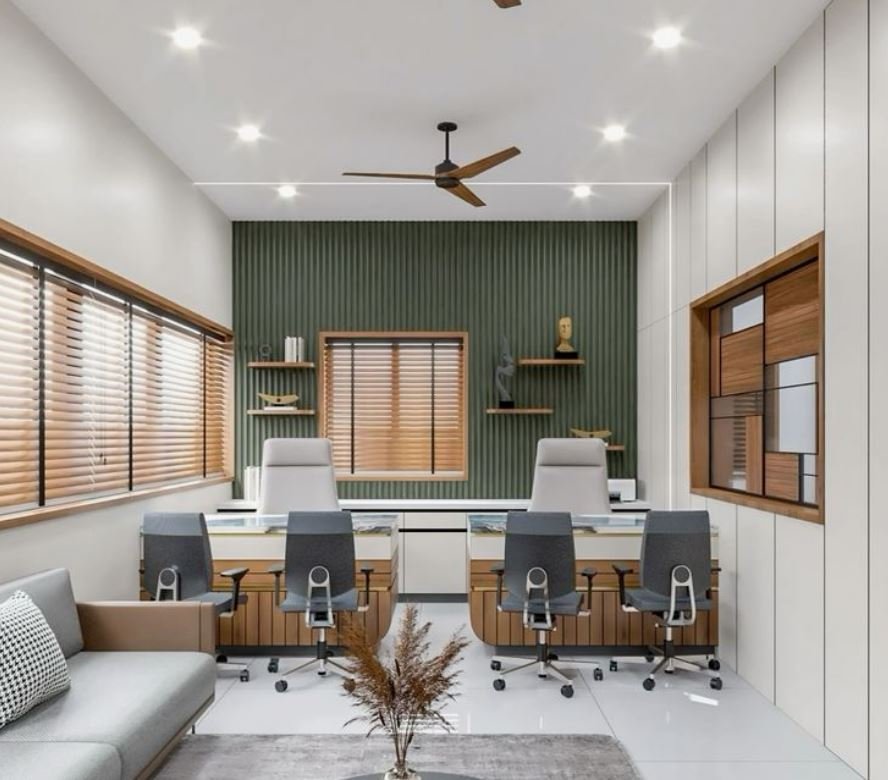
A well-organized workplace needs more than desks and chairs. Documents, stationery, equipment, files, samples, and other essential materials also need a dedicated place. An Office Storage Cabinet provides a practical way to keep these items organized while helping employees maintain a cleaner and more efficient workspace.
For businesses in Manila and Quezon City, choosing the right storage furniture can make a noticeable difference in how an office operates. A suitable cabinet can help reduce visible clutter, improve access to frequently used documents, and create a more professional environment for employees and visitors.
Modern office storage is available in many configurations, including steel cabinets, filing cabinets, sliding-door units, open shelving, lockable cabinets, and combination storage systems. Philippine office furniture suppliers currently offer a broad selection designed for different workplace requirements and budgets.
Queens Arts and Trends can use this topic to help customers understand their storage requirements before they request a quotation. Instead of focusing only on cabinet appearance, businesses should consider capacity, material, security, accessibility, dimensions, and the available office space.
What Is an Office Storage Cabinet?
An office storage cabinet is a furniture unit designed to organize and store workplace materials such as documents, folders, office supplies, equipment, books, and other business essentials.
Depending on its design, an office cabinet may include adjustable shelves, drawers, sliding doors, swing doors, glass panels, locks, or a combination of different storage areas.
The best cabinet depends on what needs to be stored and how frequently employees need access to it. A cabinet for confidential documents may require a lockable design, while a cabinet for everyday stationery may prioritize accessibility and convenient shelf arrangement.
For example, steel storage cabinets are often selected when durability and long-term workplace use are important. Current Philippine suppliers offer steel cabinets with different door styles, shelving configurations, and finishes.
How to Choose the Right Office Storage Cabinet
Choosing an office cabinet should begin with an assessment of the workplace rather than the appearance of the furniture.
Start by identifying what the cabinet needs to store. Files and folders may require shelves or drawers, while office equipment and supplies may need larger compartments. Confidential records may require lockable storage.
Next, measure the available floor and wall space. A cabinet that looks suitable online may not work well if it blocks walkways, doors, windows, or other furniture.
Height is another important consideration. Tall cabinets can provide substantial vertical storage while using less floor area. Lower cabinets may work better beneath windows or along shared work areas.
Businesses should also consider how frequently the stored items will be accessed. Frequently used supplies should remain easy to reach, while archived documents can be positioned in less accessible storage.
Types of Office Storage Cabinets to Consider
Different workplaces need different storage configurations.
A steel office storage cabinet is suitable for organizations that prioritize durability and structured storage. Steel models are available with swing doors, sliding doors, glass panels, and adjustable shelves.
A filing cabinet is particularly useful for documents, folders, and records. Vertical and lateral filing configurations can help businesses create a more systematic filing process.
A sliding-door cabinet can be useful where floor space is limited because the doors do not require the same front clearance as conventional swing doors. Philippine office furniture retailers currently offer multiple sliding-door cabinet configurations.
A glass-door storage cabinet provides visibility while keeping stored items enclosed. This can work well for catalogs, samples, books, awards, or frequently referenced materials.
A lockable storage cabinet is appropriate for documents, supplies, or other items that should not be freely accessible. Some office cabinet designs combine adjustable shelving with locking mechanisms.
Steel vs Wooden Office Storage Cabinets
Material should be selected according to the environment and intended use.
Steel cabinets are commonly considered for demanding office environments because they provide a durable storage structure. They can be especially useful for records, supplies, tools, and organizational storage.
Wood-based cabinets can create a warmer appearance and may complement executive offices, meeting rooms, reception areas, and contemporary interiors.
The choice should not be based on appearance alone. Consider expected usage, maintenance, security, storage capacity, office design, and budget before making a decision.
For businesses purchasing multiple units, consistency is also important. Matching cabinet finishes can create a more coordinated office environment.
Office Storage Cabinets for Manila Workspaces
Office space in Manila can vary significantly between corporate buildings, commercial offices, startups, professional firms, schools, and government facilities. Storage requirements therefore need to be planned around the specific workplace.
In smaller offices, vertical storage can help maximize available floor space. Sliding-door cabinets can also be considered where cabinet doors could interfere with employee movement.
Larger corporate offices may benefit from centralized filing areas combined with smaller storage units near individual departments. This approach can reduce unnecessary movement while keeping important materials accessible.
For procurement teams, it is useful to evaluate cabinet specifications consistently. Dimensions, material, locking system, shelf configuration, finish, delivery requirements, and warranty should all be considered before placing a larger order.
Office Storage Cabinets for Quezon City Businesses
Quezon City has a wide variety of businesses, educational institutions, healthcare facilities, professional offices, and organizations that require practical workplace storage.
A good storage plan should consider the number of employees, document volume, available floor area, and the type of materials being stored.
For example, an accounting department may need substantial document storage, while a creative agency may require a combination of cabinets for samples, equipment, stationery, and project materials.
Schools and training facilities can also benefit from dedicated cabinets for teaching resources, records, supplies, and administrative documents.
The objective is not simply to add more furniture. The objective is to create a storage system that supports the way employees actually work.
Important Features to Check Before Buying
Before selecting an office cabinet, examine its construction and practical features.
Adjustable shelves can make the cabinet more flexible because storage compartments can be modified according to the size of files and supplies.
Locks can provide an additional level of control for confidential or restricted materials.
Sliding doors can be helpful in compact spaces, while swing doors may provide convenient access when there is sufficient clearance.
Cabinet dimensions should be checked carefully. Width, depth, and height affect both storage capacity and how easily the unit fits into the office.
Load capacity is also important. Heavy documents and equipment require appropriate shelving and cabinet construction.
For example, some Philippine office cabinet products specify adjustable shelves, steel construction, powder-coated finishes, locks, and different storage configurations.
How Storage Furniture Improves Office Organization
Good storage furniture can contribute to a more organized working environment.
When documents and supplies have designated locations, employees can spend less time searching for commonly used materials. A clear storage system can also make it easier for departments to maintain consistent filing practices.
Storage cabinets can additionally help separate active files from archived materials. Frequently accessed documents can remain close to workstations, while older records can be stored in designated archive areas.
The result is a workspace that feels more controlled and easier to maintain.
Common Mistakes When Buying Office Cabinets
One common mistake is choosing a cabinet based only on its appearance.
A stylish cabinet may not provide enough capacity or may have an unsuitable configuration for the materials being stored.
Another mistake is ignoring measurements. Always compare cabinet dimensions with the actual available space and consider doors, walkways, electrical outlets, and nearby furniture.
Buying too few cabinets can create overcrowding inside storage units, while purchasing too many can waste valuable office space.
Businesses should also avoid overlooking security. If employees handle confidential documents, a lockable solution may be more appropriate than an open shelf.
Finally, consider future requirements. Office storage should ideally accommodate reasonable business growth rather than becoming inadequate shortly after installation.
Office Storage Planning for Different Businesses
Different industries have different storage priorities.
Corporate offices may need filing cabinets, document storage, employee lockers, and departmental storage.
Law firms and accounting offices can require organized document storage with controlled access.
Schools may need cabinets for teaching materials, administrative files, books, and supplies.
Hospitals and clinics may require carefully planned storage for administrative records, supplies, and non-medical office materials.
Startups may prioritize flexible storage that can adapt as teams grow.
Architects and interior designers may need larger compartments for drawings, material samples, catalogs, and project documentation.
This is why a storage consultation can be valuable before purchasing several cabinets.
Why Office Storage Should Be Part of Workplace Planning
Storage should be considered alongside desks, chairs, partitions, reception furniture, and meeting tables.
When storage is planned at the beginning of an office project, furniture can be positioned more efficiently. This can improve circulation and prevent cabinets from being added randomly after employees have already occupied the space.
For new offices in Manila and Quezon City, businesses can create a furniture plan that identifies departmental storage requirements before purchasing.
For existing offices, a storage audit can identify unused cabinets, overcrowded units, outdated filing systems, and areas where additional storage is needed.
What Should You Store in an Office Cabinet?
An office cabinet can store many workplace essentials, including folders, paper supplies, stationery, catalogs, books, archived documents, project materials, equipment, and office accessories.
The cabinet should be organized according to frequency of use.
Daily-use items should remain easily accessible. Weekly or monthly materials can be placed in secondary storage areas. Archived materials can be stored separately to prevent active workspaces from becoming overcrowded.
Labels can also make shared storage easier to manage. A simple naming system can help employees quickly identify where specific materials belong.
Choosing Office Storage Furniture for Long-Term Value
The lowest initial price is not always the best purchasing decision.
Businesses should evaluate the cabinet’s construction, storage capacity, functionality, maintenance requirements, warranty, delivery, and expected service life.
Current Philippine market listings show considerable variation in office storage configurations and prices, from compact storage units to larger steel and sliding-door systems.
For bulk purchases, businesses should also ask about availability, delivery schedules, installation, replacement parts, warranty coverage, and after-sales support.
This is particularly important for corporate offices, schools, hospitals, and government organizations purchasing multiple units.
Why Businesses Should Compare Cabinet Specifications
Two cabinets may look similar but provide very different value.
Compare the dimensions, material thickness where applicable, shelf configuration, door mechanism, locking system, finish, weight capacity, warranty, and installation requirements.
For procurement teams, creating a standard comparison sheet can make supplier evaluation easier.
For architects and interior designers, visual appearance should be evaluated alongside dimensions and functionality to ensure the selected furniture works within the overall office concept.
How Queens Arts and Trends Can Support Better Office Storage Decisions
Queens Arts and Trends can position its office furniture offering around practical workplace solutions rather than simply selling individual furniture pieces.
Customers looking for an Office Storage Cabinet should be able to identify the right configuration based on their office size, storage requirements, design preferences, and budget.
A useful purchasing process can begin with understanding the client’s requirements, followed by product recommendations, space planning, quotation, delivery coordination, and installation where applicable.
For businesses in Manila and Quezon City, a localized approach can make the buying process more convenient because office furniture requirements often depend on building layouts, business operations, employee numbers, and available space.
Frequently Asked Questions
What is the best Office Storage Cabinet for a small office?
A compact vertical cabinet or sliding-door cabinet can be practical for smaller offices because it provides storage while using floor space efficiently.
Are steel office storage cabinets durable?
Steel cabinets are commonly chosen for demanding workplace environments because of their strong construction and practical long-term storage applications.
Should an office storage cabinet have a lock?
A lock is recommended when the cabinet will store confidential documents, restricted records, valuable supplies, or materials that should only be accessed by authorized employees.
What size office cabinet should I buy?
Choose a size based on your available space and the volume of materials you need to store. Measure the area first and account for doors, walkways, and nearby furniture.
Are sliding-door cabinets suitable for small offices?
Yes. Sliding doors can be useful where opening conventional cabinet doors would interfere with desks, chairs, or walkways.
Can office cabinets be used in schools and hospitals?
Yes. Office storage furniture can organize administrative records, supplies, documents, and other non-specialized materials in schools, hospitals, and other institutions.
How can I organize an office storage cabinet?
Group materials by department, purpose, or frequency of use. Use labels and keep frequently accessed items in the easiest-to-reach compartments.
Should businesses buy office cabinets in bulk?
Bulk purchasing can be practical for businesses furnishing several departments or locations. However, specifications, delivery, installation, warranty, and storage requirements should be reviewed before ordering.
A Practical Office Storage Solution Starts With the Right Cabinet
The right Office Storage Cabinet can do more than hide workplace clutter. It can support document organization, improve accessibility, protect important materials, and contribute to a more professional office environment.
Businesses in Manila and Quezon City should consider cabinet dimensions, construction, storage capacity, security, accessibility, office layout, and future requirements before purchasing.
Queens Arts and Trends can use this approach to guide customers toward storage furniture that fits their actual workplace requirements. Whether you are furnishing a startup, upgrading a corporate office, preparing a school facility, or planning a larger commercial workspace, selecting storage as part of the overall furniture strategy can provide better long-term value.
If you are planning an office furniture project, request a quotation and discuss your available space, storage requirements, preferred design, and quantity requirements before making a final decision.

