
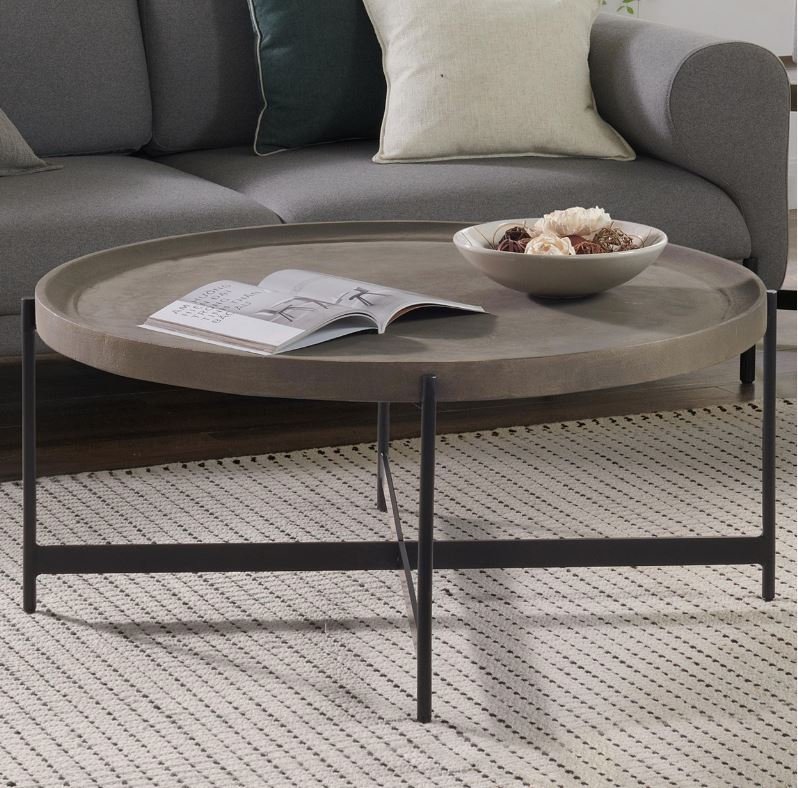
A well-planned office interior can influence how clients, employees, and visitors experience a workplace. Among the many pieces of furniture used in reception areas, meeting spaces, lounges, and collaborative zones, an Office Coffee Table can provide both practical value and visual balance. It creates a convenient surface for refreshments, magazines, documents, laptops, or decorative items while helping define the seating arrangement.
For businesses in Manila and Quezon City, choosing the right coffee table also means considering available floor space, office traffic, furniture style, durability, and maintenance. A suitable table should complement sofas and lounge chairs without making the area feel crowded. Whether you are furnishing a corporate office, startup, school, hospital, or professional reception area, the right design can make the space more comfortable and organized.
Why An Office Coffee Table Matters In A Workplace
Coffee tables are often associated with residential interiors, but they have an important role in commercial environments. In an office, they can connect different seating elements and create a more welcoming atmosphere. A reception lounge with a carefully selected table can feel more complete, while a collaborative seating area can become more functional when people have a convenient surface nearby.
An office coffee table can also support informal meetings. Employees may gather around a low table for a short discussion without using a formal conference room. Clients waiting for an appointment can use the table to place personal belongings or browse reading materials. These small functional details can contribute to a more comfortable workplace experience.
For busy offices in Manila and Quezon City, furniture should also be selected with practicality in mind. A table that looks attractive but occupies too much space may interfere with movement. The ideal option should provide enough usable surface while maintaining comfortable circulation around the seating area.
Choosing The Right Size For Your Office
Size is one of the most important factors when purchasing a coffee table for an office. The table should relate appropriately to the sofa, lounge chairs, or other seating surrounding it. A very small table may look disconnected from a large seating arrangement, while an oversized table can make a compact reception area difficult to navigate.
Before purchasing furniture, measure the available area. Consider the table dimensions as well as the space required for people to walk around it. Think about how the furniture will be used during busy periods. If several employees or visitors regularly use the lounge, additional clearance can make the area much easier to navigate.
The shape also matters. Rectangular tables can work well with long sofas and larger reception areas. Round or oval designs may be suitable for compact spaces because their softer edges can make movement around the furniture easier. Square tables can provide a balanced appearance when paired with appropriately sized lounge seating.
Materials That Work Well In Commercial Offices
Office furniture needs to handle regular use, so material selection should go beyond appearance. Different materials offer different advantages depending on the office environment and maintenance requirements.
Wood and wood-look finishes can create a warm and professional appearance. They work particularly well in reception spaces where businesses want to create a welcoming first impression. Laminate surfaces can also be practical because they are available in many finishes and are generally easy to maintain.
Metal can provide a contemporary appearance and may be suitable for modern corporate interiors. Glass can make a room feel visually lighter, although it may require more frequent cleaning to maintain a polished appearance. A combination of materials can also create an attractive balance between durability and design.
When selecting an Office Coffee Table, consider how frequently it will be used, who will use it, and how much daily maintenance your facilities team can reasonably provide.
Matching The Table With Existing Office Furniture
A coffee table should not appear like an isolated piece of furniture. It should work with the overall office design. Consider the colors, materials, shapes, and finishes already present in the room.
For example, a reception area with contemporary lounge chairs may look better with a clean-lined table featuring a simple finish. A more traditional office may benefit from a wood-inspired design with a warmer appearance. Offices using minimalist desks and modern workstations can maintain consistency by selecting a coffee table with a similarly simple aesthetic.
Matching does not mean that every item needs to look identical. Instead, the furniture should share complementary design characteristics. This creates a cohesive environment without making the space appear overly uniform.
Office Coffee Tables For Reception Areas
The reception area is often the first physical environment visitors experience. Furniture placed there can influence how professional, organized, and welcoming the business feels.
A coffee table can provide a central element between reception sofas and lounge chairs. It can also offer a convenient location for magazines, brochures, company information, or refreshments. For businesses that receive clients regularly, choosing a durable and easy-to-clean surface can be particularly useful.
The table should also leave enough room for visitors to sit comfortably and move toward the reception desk. Avoid filling a small waiting area with oversized furniture simply because it looks impressive in a showroom.
Coffee Tables For Meeting And Collaboration Areas
Modern workplaces increasingly include informal spaces where employees can communicate outside traditional meeting rooms. A coffee table can support these areas by providing a central surface for notebooks, drinks, tablets, or presentation materials.
A low table combined with lounge seating can create a relaxed environment for brainstorming or informal conversations. In creative offices and startups, this arrangement may complement more traditional workstations and conference tables.
However, the table should match the intended activity. If employees need to write extensively or use laptops for long periods, a conventional meeting table may be more appropriate. A coffee table is generally better suited to short discussions, casual collaboration, waiting areas, and lounge environments.
How To Choose A Coffee Table For Small Offices
Small offices require careful furniture planning because every square meter matters. A compact coffee table can provide functionality without overwhelming the room.
Consider tables with smaller footprints, rounded edges, or visually lighter structures. Avoid unnecessarily bulky bases if they reduce legroom or interfere with movement. You can also consider nesting tables when flexibility is important. These can sometimes be separated when more surface area is needed and arranged together when the room needs to remain open.
In compact Manila and Quezon City offices, planning the furniture layout before purchasing can help prevent common space-management problems. A simple floor plan can show whether the table will leave adequate circulation around sofas, doors, workstations, and other furniture.
Durability And Maintenance Should Come First
Commercial furniture experiences more frequent use than most residential furniture. Visitors may place bags on tables, employees may use them throughout the day, and cleaning teams may need to wipe the surfaces regularly.
For this reason, look for sturdy construction and finishes that suit the expected level of use. A table intended for a busy reception area should generally be selected differently from one placed in a private executive lounge.
Maintenance should also be considered before making a purchase. Easy-to-clean surfaces can save time for facility teams. Strong construction can help reduce the likelihood of premature replacement. In the long term, buying based only on the lowest initial price may not provide the best value if the furniture needs frequent repair or replacement.
Office Furniture Planning For Manila And Quezon City Businesses
Businesses in Manila and Quezon City have diverse workplace requirements. A startup may need flexible lounge furniture for a compact office, while a large corporate organization may require coordinated furniture for multiple departments and reception areas.
The purchasing process should therefore begin with the purpose of the space. Determine whether the table will be used primarily for visitors, employees, informal meetings, refreshments, or decoration. Then consider the room dimensions, seating arrangement, expected traffic, design style, and maintenance requirements.
Working with an experienced office furniture provider can also make the selection process easier. A professional supplier can help businesses compare sizes, materials, finishes, and layouts according to the requirements of the workplace rather than simply recommending a standard product.
Common Mistakes When Buying Office Coffee Tables
One common mistake is choosing a table based entirely on appearance. A stylish design may not necessarily be suitable for the available space or intended use.
Another mistake is ignoring the relationship between table height and seating. A table that is too high or too low can make the lounge arrangement uncomfortable. Buyers should also consider whether people can easily reach the table from their seats.
Failing to measure the room is another frequent issue. Always check the available floor area before ordering. Doorways, corridors, electrical equipment, and other furniture should also be considered during planning.
Finally, avoid selecting materials without considering maintenance. A beautiful surface that requires constant care may not be practical in a high-traffic commercial environment.
How An Office Coffee Table Supports Workplace Design
Good workplace design is about more than individual furniture pieces. Every item should contribute to the overall function of the room. A coffee table can help establish a central point within a lounge area while connecting different seating elements.
It can also help separate informal zones from traditional work areas. For example, a business could create a dedicated visitor lounge using a sofa, two chairs, and a compact coffee table. This gives visitors a comfortable place to wait without occupying employee workstations.
When planned correctly, the table becomes part of the office’s broader furniture strategy rather than simply being a decorative accessory.
Why Quality Matters When Buying Office Furniture
Office furniture is an investment in the workplace. Businesses should consider construction quality, functionality, appearance, and long-term usability before making purchasing decisions.
A quality coffee table should fit the space, complement surrounding furniture, and withstand normal commercial use. It should also support the image the business wants to communicate to employees and visitors.
For organizations furnishing an entire office, it can be useful to coordinate the coffee table with other pieces such as office desks, conference tables, reception counters, lounge chairs, office workstations, and storage furniture. A consistent furniture scheme can make the workplace look more organized and professionally planned.
Frequently Asked Questions About Office Coffee Tables
What Is An Office Coffee Table?
An office coffee table is a low table commonly used in reception areas, lounges, waiting spaces, and informal meeting zones. It provides a convenient surface while complementing surrounding seating.
What Size Office Coffee Table Should I Choose?
The ideal size depends on the room dimensions and seating arrangement. Measure the available space and ensure there is enough clearance for comfortable movement around the table.
Which Material Is Best For An Office Coffee Table?
There is no single best material. Wood, laminate, metal, glass, and mixed materials can all work depending on the office design, expected usage, maintenance requirements, and budget.
Can Coffee Tables Be Used In Corporate Offices?
Yes. Coffee tables can work well in reception lounges, executive waiting areas, breakout spaces, and informal collaboration zones.
Are Round Coffee Tables Good For Small Offices?
Round designs can be useful in compact spaces because they do not have sharp corners and can make movement around seating easier.
How Do I Match A Coffee Table With My Office Interior?
Consider the existing furniture’s colors, materials, shapes, and finishes. The table should complement the surrounding furniture rather than look disconnected from it.
Where Can I Buy Office Coffee Tables In The Philippines?
Businesses can compare office furniture suppliers in the Philippines based on product range, customization options, quality, delivery coverage, and after-sales support. For projects in Manila and Quezon City, it is useful to discuss your room dimensions and intended use with the supplier before purchasing.
Make Your Office Furniture Selection More Practical
Selecting the right coffee table is a small but meaningful part of creating a functional workplace. The best choice balances dimensions, durability, design, maintenance, and the way people actually use the space. Businesses should consider the complete room layout rather than selecting furniture pieces individually.
For companies planning an office renovation, new workplace setup, reception upgrade, or lounge area in Manila or Quezon City, Queens Arts and Trends can be considered when exploring office furniture options that complement professional workplace environments. Before making a purchase, share your space requirements, preferred design, quantity, and intended use so you can receive more relevant furniture recommendations and make a confident decision.

