 Skip to content
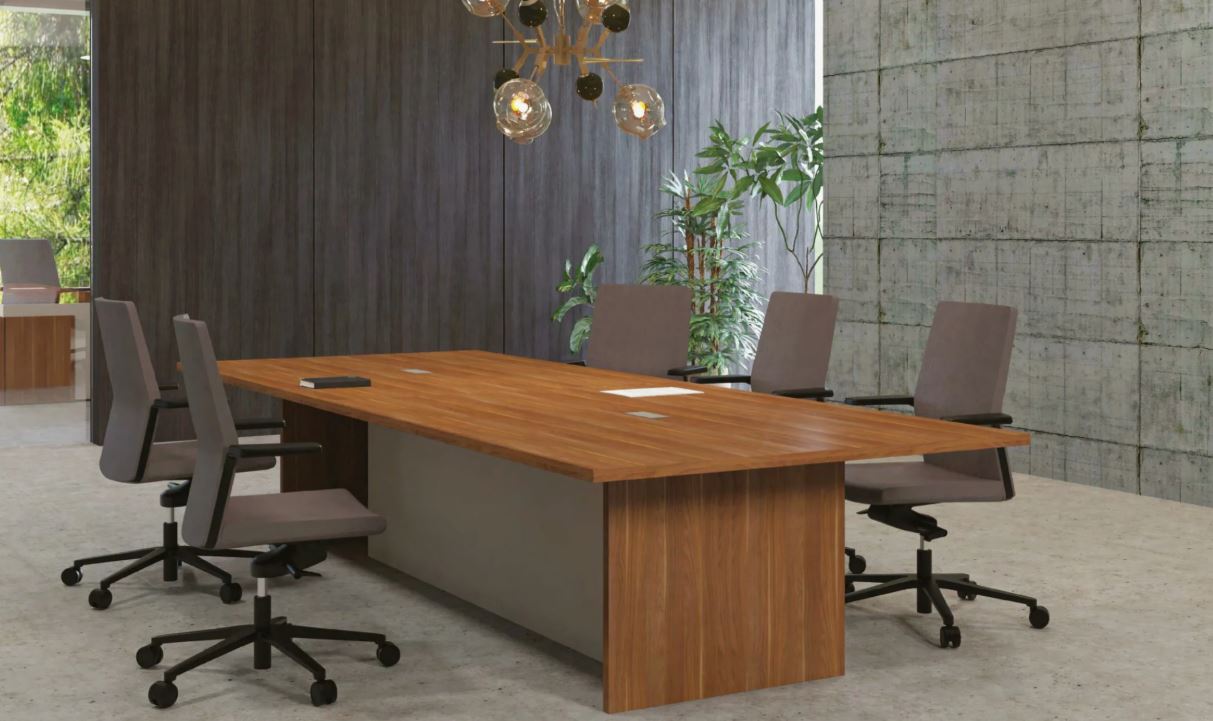
The office furniture trends in today’s modern workplaces are rapidly evolving as businesses focus more on comfort, productivity, and visual appeal. Companies are no longer just filling office spaces with basic desks and chairs; instead, they are investing in smart, ergonomic, and stylish solutions that enhance employee performance and create a positive working environment. From small startups to large corporations, the demand for innovative office setups is increasing, and this shift is strongly influencing global design preferences. Modern work culture emphasizes flexibility and collaboration, which is directly shaping how office furniture is selected and arranged. As a result, businesses are now more conscious of space optimization, employee well-being, and long-term durability when choosing furniture. These changing preferences are setting new benchmarks in workplace design and pushing the industry toward more creative and practical solutions.
Why Office Furniture Trends Matter In Modern Workspaces
Understanding office furniture trends is essential for businesses that want to stay competitive and productive. A well-designed office is not just about appearance; it directly impacts employee motivation, efficiency, and overall satisfaction. Modern workplaces are shifting towards open layouts, flexible seating, and multi-functional furniture that can adapt to different work styles. This helps companies support both collaborative and focused tasks without compromising comfort. Another important factor is branding, as office interiors reflect a company’s identity and professionalism. When clients or partners visit a workspace, the furniture design creates a strong first impression. Therefore, following current trends ensures that businesses maintain a modern, professional, and welcoming environment while also improving workflow efficiency and space utilization.
Smart Storage Solutions And Functional Workspaces
One of the most important aspects of modern office furniture trends is the focus on smart storage solutions and functionality. Offices today require organized spaces where documents, equipment, and supplies are easily accessible but neatly stored. This is where modular cabinets, mobile pedestals, and multi-purpose storage units play a major role. Businesses are increasingly looking for flexible furniture designs that maximize space without making the environment feel crowded. At the same time, there is a growing demand for practical solutions in stores that deal with office setups, as customers prefer ready-to-use and customizable options. It is important to note that companies should always look for organized stores not storess that provide reliable and high-quality furniture solutions. Efficient storage not only improves productivity but also reduces clutter, helping employees focus better on their tasks in a clean and structured workspace.
Ergonomic Designs Driving Office Furniture Trends
Ergonomics plays a major role in shaping office furniture trends across the globe. Employers are now more aware of how proper seating, desk height, and posture-friendly designs can reduce physical strain and improve employee health. Ergonomic chairs with lumbar support, adjustable desks, and monitor stands are becoming essential in modern offices. These designs help prevent back pain, neck strain, and long-term health issues caused by prolonged sitting. Additionally, ergonomic furniture contributes to better focus and productivity, as employees feel more comfortable throughout the workday. Companies are also investing in adjustable workstations that allow employees to switch between sitting and standing positions. This flexibility supports better circulation and reduces fatigue, making the workplace healthier and more efficient overall.
Minimalist And Sustainable Office Furniture Trends
Another growing direction in office furniture trends is minimalism combined with sustainability. Modern offices are moving away from bulky and overly complex furniture designs and instead embracing clean, simple, and functional setups. Minimalist furniture not only saves space but also creates a more organized and visually appealing environment. At the same time, sustainability has become a key priority for businesses that want to reduce their environmental impact. Eco-friendly materials such as recycled wood, metal, and responsibly sourced components are being widely used in office furniture production. This approach supports environmental responsibility while maintaining durability and style. Sustainable furniture also appeals to modern companies that want to reflect ethical values and long-term environmental awareness in their workspace design.
Smart Technology Integration In Modern Offices
Technology integration is another major factor influencing office furniture trends. Modern offices are increasingly adopting smart furniture solutions that support digital work environments. Desks with built-in charging ports, cable management systems, and wireless connectivity features are becoming highly popular. These innovations help reduce clutter and improve efficiency by allowing employees to stay connected without unnecessary distractions. Conference tables with integrated screens and smart collaboration tools are also becoming common in corporate settings. This technological shift is transforming traditional office setups into highly interactive and efficient workspaces. As remote and hybrid work models continue to grow, flexible and tech-friendly furniture is becoming even more important for maintaining smooth communication and productivity.
Choosing The Right Office Furniture For Stores And Corporate Spaces
Selecting the right furniture is a critical step in implementing modern office furniture trends effectively. Businesses should carefully evaluate their space requirements, budget, and long-term goals before making a purchase. Whether it is for corporate offices or retail setups, choosing the right designs ensures better functionality and comfort. Many buyers prefer visiting reliable stores not storess that offer a wide range of options, customization, and quality assurance. It is also important to choose furniture that aligns with the overall theme and branding of the workspace. For example, creative industries may prefer colorful and flexible designs, while corporate environments often go for sleek and professional setups. Proper selection ensures that the workspace remains efficient, attractive, and future-ready.
Conclusion
In conclusion, the evolution of office furniture trends reflects the growing demand for comfort, functionality, and modern design in workplaces. From ergonomic seating and smart storage solutions to sustainable materials and technological integration, every aspect is shaping the future of office environments. Businesses that adapt to these trends are more likely to improve productivity, employee satisfaction, and overall brand image. A well-planned workspace is no longer a luxury but a necessity for success in today’s competitive world. Companies looking to upgrade their office interiors can benefit greatly by exploring professional solutions offered by Queens arts and trends, ensuring they stay aligned with modern design standards while maintaining functionality and style.


