 Skip to content
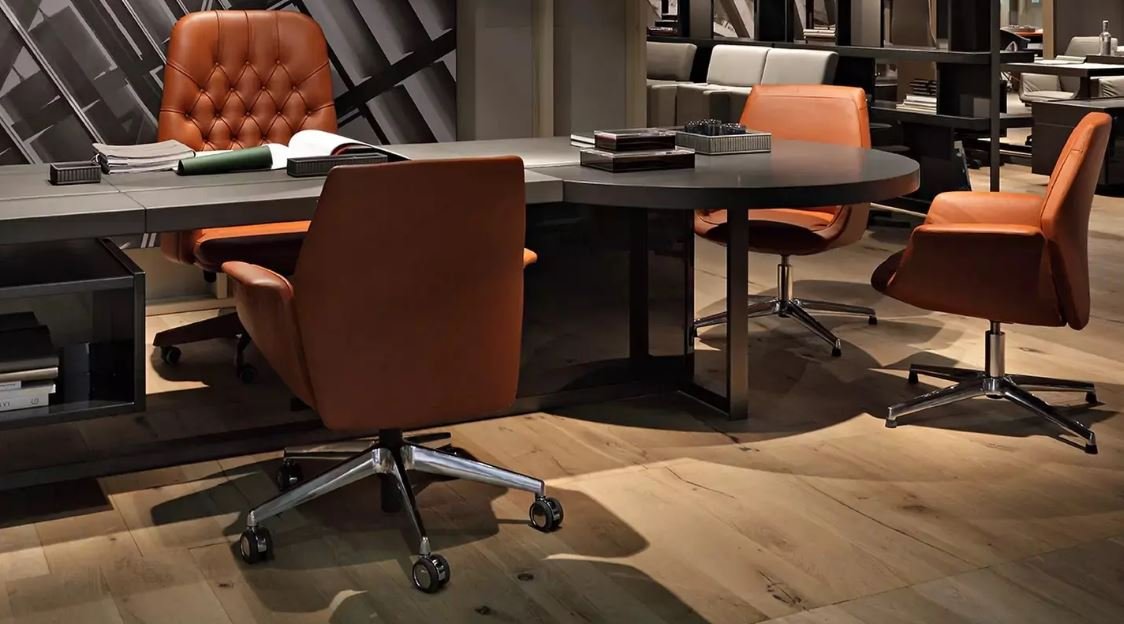
A well-planned corporate workplace needs furniture that supports productivity, organization, comfort, and professional presentation. Office Furniture Corporate solutions are designed for businesses that want their workspaces to function efficiently while maintaining a consistent and polished appearance. In Manila and Quezon City, companies may need furniture for executive offices, employee workstations, meeting rooms, reception areas, collaborative spaces, and administrative departments. Choosing the right combination of desks, chairs, storage units, conference tables, and workstations can help businesses create an environment that works well for both employees and visitors.
What Is Office Furniture Corporate?
Office Furniture Corporate refers to furniture solutions created for professional business environments. Unlike furniture selected only for appearance, corporate office furniture typically considers workplace layout, employee needs, storage, durability, ergonomics, and the overall identity of an organization. It can include executive desks, office workstations, ergonomic chairs, conference tables, reception counters, filing cabinets, mobile pedestals, office partitions, and other workplace essentials.
For companies in the Philippines, furniture selection should also reflect the size of the office, number of employees, available floor space, work requirements, and expected future expansion. A startup may require flexible workstations and compact storage, while an established corporation may need executive offices, boardrooms, departmental work areas, and dedicated meeting spaces.
Why Corporate Offices Need Purpose-Built Furniture
Corporate offices accommodate different activities throughout the working day. Employees may spend hours at individual workstations, managers may conduct meetings, and visitors may wait in reception areas. Furniture therefore needs to support several functions without making the workplace feel crowded.
A properly planned office furniture setup can improve space utilization and create clearer movement throughout the workplace. Desks can be positioned according to departmental requirements, storage can be placed near the teams that use it most, and meeting areas can be separated from concentrated work zones.
The visual consistency of furniture is also important. Matching finishes, materials, colors, and designs can create a cohesive workplace environment. This can be particularly useful for businesses that want their office to reflect a professional corporate identity.
Corporate Office Furniture for Different Work Areas
Different areas of a workplace require different furniture solutions. An executive office may need a spacious executive desk, ergonomic seating, visitor chairs, storage cabinets, and a small meeting area. An employee department may benefit more from modular workstations, ergonomic office chairs, mobile pedestals, and shared storage.
Meeting rooms require conference tables and comfortable chairs that allow participants to remain focused during discussions. Reception areas need a professional reception counter, seating, and practical storage while maintaining enough open space for visitors.
For collaborative areas, companies can consider flexible tables, lounge seating, shared work surfaces, and movable furniture. This allows teams to adjust the space according to meetings, brainstorming sessions, training, or project-based work.
Choosing Office Furniture Corporate for Manila and Quezon City
Businesses searching for Office Furniture Corporate in Manila and Quezon City should consider more than furniture appearance. The available floor area, office layout, employee count, budget, working style, and future expansion plans can all affect the right choice.
Space measurement should come before purchasing large furniture pieces. This helps prevent problems such as blocked walkways, insufficient clearance around desks, or overcrowded meeting rooms. Companies should also consider how furniture will be delivered, assembled, positioned, and maintained after installation.
For businesses moving into a new office, it can be useful to plan the entire furniture layout before ordering individual pieces. This creates a more consistent result and reduces the risk of buying furniture that does not work well together.
Ergonomics Should Be Part of Corporate Furniture Planning
Employee comfort is an important consideration when selecting office furniture. Workstations and chairs should support appropriate working postures and allow employees to adjust their positions throughout the day.
Ergonomic office chairs can provide adjustable features such as seat height, back support, and armrest positioning. Desks and workstations should provide sufficient working space for computers, documents, and other equipment.
The goal is not simply to purchase an ergonomic product. The furniture should also be arranged correctly within the workspace. Monitor placement, desk height, chair adjustment, lighting, and available movement space all contribute to a practical workstation.
How to Create a Professional Corporate Office Layout
A corporate office layout should reflect how employees actually work. Start by identifying departments, employee numbers, management areas, meeting requirements, visitor spaces, and storage needs.
Next, divide the office into functional zones. Individual work areas can be separated from meeting rooms and collaborative spaces. Reception areas should provide an accessible entry point without interfering with employee workflows.
Storage should also be planned carefully. Frequently used documents and supplies can be stored close to the teams that need them, while less frequently accessed materials can be placed in designated storage areas.
Furniture dimensions should be considered before finalizing the layout. A visually attractive desk may not be practical if it restricts circulation or takes up too much floor space.
Corporate Furniture Materials and Finishes
Furniture materials influence appearance, durability, maintenance requirements, and overall workplace style. Common office furniture may use combinations of engineered wood, laminates, metal components, glass, fabric, and other commercial-grade materials.
The best choice depends on how the furniture will be used. High-traffic areas may require finishes that are easy to clean and maintain. Executive spaces may prioritize a refined appearance, while busy employee areas may benefit from practical and durable surfaces.
Businesses should also consider whether different furniture pieces can be coordinated. Consistent finishes across desks, storage units, meeting tables, and reception furniture can create a more unified workplace.
Flexible Furniture for Growing Businesses
Corporate workplaces can change as companies grow. New employees may be added, departments may be reorganized, and teams may adopt different working arrangements. Furniture that can adapt to these changes can make future office modifications easier.
Modular workstations, movable pedestals, flexible meeting tables, and reconfigurable partitions can provide greater flexibility than fixed solutions in certain workplaces. Before purchasing, businesses should consider whether furniture can be relocated or rearranged without requiring a complete office redesign.
This is particularly relevant for startups and expanding companies in Metro Manila, where office requirements may change as teams and operations develop.
Common Mistakes When Buying Corporate Office Furniture
One common mistake is choosing furniture based only on appearance. A desk may look impressive but still be unsuitable for the available space or daily work requirements.
Another mistake is ignoring employee comfort. Since employees may spend many hours using their desks and chairs, workstation ergonomics should be considered during planning.
Businesses should also avoid purchasing furniture without measuring the office first. Doorways, elevators, corridors, columns, electrical points, and existing fixtures can affect installation and placement.
Buying individual pieces without considering the complete office design can create an inconsistent appearance. Planning the furniture collection as part of the overall workplace layout can produce a more functional result.
How to Choose a Corporate Office Furniture Supplier
A corporate furniture supplier should be able to understand the practical requirements of a business rather than simply provide individual products. Ask about available furniture categories, customization options, measurements, delivery, installation, warranties, and after-sales support.
Businesses can also prepare a furniture requirement list before contacting a supplier. Include the number of employees, departments, office dimensions, required furniture types, preferred materials, and approximate budget.
For larger projects, sharing a floor plan can help the supplier understand the available space and recommend suitable configurations. Companies should also request product specifications when comparing different furniture options.
Office Furniture Corporate for Modern Philippine Workplaces
Modern corporate offices increasingly require spaces that can support individual concentration, collaboration, meetings, and employee interaction. This means that one furniture style may not be suitable for every area.
A balanced workplace can combine dedicated workstations with meeting tables, private offices, collaborative areas, storage solutions, and comfortable reception furniture. The result should be practical rather than overcrowded.
For companies in Manila and Quezon City, local office conditions and business requirements should also be considered when planning furniture procurement. Delivery access, installation requirements, available space, and future office changes can influence the final furniture plan.
Why Professional Furniture Planning Matters
Office furniture is a long-term workplace investment. Poor planning can result in wasted space, uncomfortable workstations, difficult movement, and additional replacement costs. Professional planning helps businesses evaluate furniture according to actual workplace requirements.
A well-planned office can also provide a more consistent experience for employees, clients, partners, and visitors. From the reception area to executive offices and employee workstations, each furniture choice contributes to how the workplace functions and looks.
Businesses considering a new office setup, renovation, relocation, or expansion can discuss their requirements with Queens Arts and Trends to explore suitable corporate furniture options for their workspace.
Frequently Asked Questions
What does Office Furniture Corporate include?
It can include executive desks, workstations, office chairs, conference tables, reception furniture, storage cabinets, pedestals, partitions, and other workplace furniture.
How do I choose corporate office furniture?
Consider office size, employee requirements, workplace activities, ergonomics, storage, durability, layout, budget, and future expansion before purchasing.
Is corporate office furniture suitable for small businesses?
Yes. Small businesses can use compact desks, modular workstations, ergonomic chairs, and flexible storage to create an efficient workplace.
Where can businesses use corporate office furniture?
Corporate furniture can be used in executive offices, employee work areas, reception spaces, conference rooms, training rooms, collaborative areas, schools, hospitals, and administrative offices.
Should office furniture match the company brand?
A consistent furniture style can help create a cohesive workplace appearance, particularly in reception areas, executive spaces, and client-facing environments.
What should I consider before ordering office furniture?
Measure the available space, determine furniture quantities, identify workplace requirements, review materials and dimensions, and plan delivery and installation requirements before placing an order.


