 Skip to content
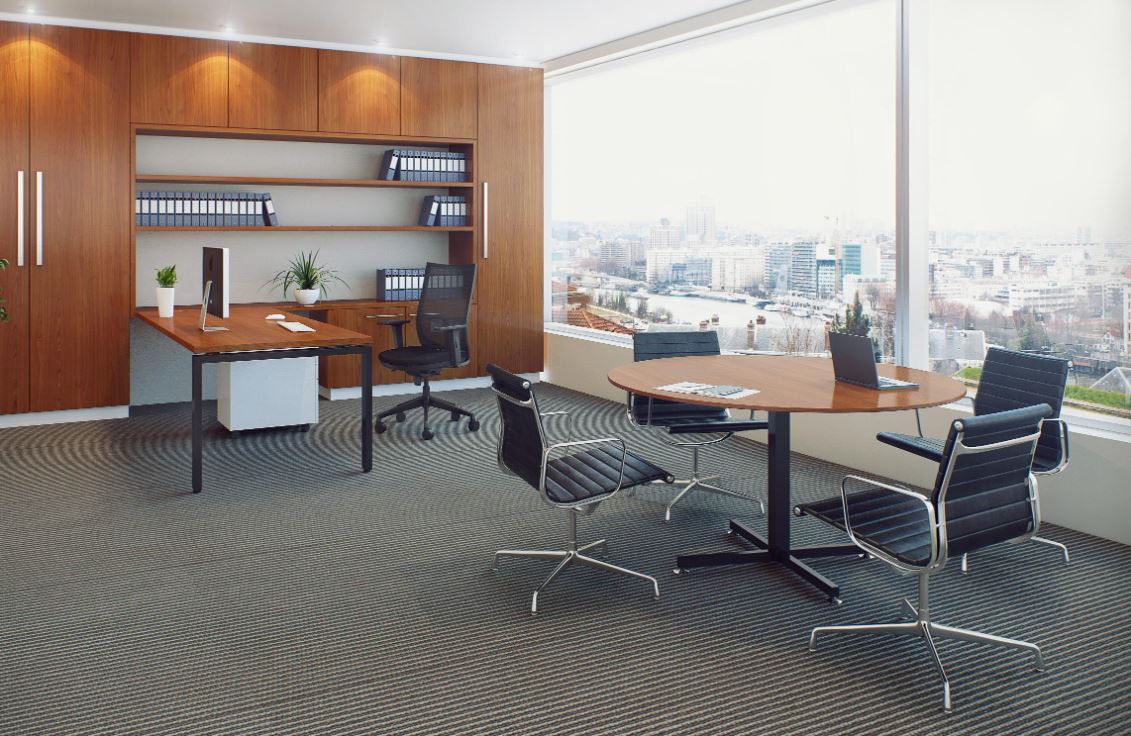
The demand for office furniture in 2026 is rapidly transforming as businesses shift toward smarter, more flexible, and more employee-focused work environments. Modern workplaces are no longer limited to traditional desks and chairs; instead, they are evolving into dynamic spaces that support hybrid work models, collaboration, and digital integration. Companies are now prioritizing office setups that balance comfort with productivity, ensuring employees can work efficiently whether they are in physical offices or remote-connected spaces. This shift has significantly influenced the design, structure, and functionality of office interiors, making adaptability a core requirement in every workspace planning strategy.
In 2026, organizations are focusing heavily on creating environments that reduce fatigue and increase engagement. This includes modular desks, adjustable seating systems, and multi-purpose furniture that can be rearranged based on workflow needs. The concept of rigid office layouts is fading, replaced by fluid environments that support creativity and communication. As businesses grow more competitive, investing in high-quality office furniture in 2026 is becoming a strategic decision rather than just an operational expense.
Smart And Sustainable Design Trends In 2026
One of the most influential trends shaping the market is sustainability combined with smart technology integration. Companies are choosing eco-friendly materials such as recycled wood, metal alloys, and biodegradable composites to reduce their environmental impact. At the same time, smart office systems are being integrated into furniture designs, including built-in charging ports, wireless connectivity hubs, and sensor-based lighting adjustments. These innovations are not only enhancing convenience but also optimizing energy usage within office environments.
Sustainability is no longer optional; it has become a standard expectation in corporate infrastructure planning. Businesses are aligning their workspace investments with environmental goals, ensuring that their office interiors reflect responsible consumption practices. This is particularly important in modern corporate culture, where brand reputation is closely tied to environmental responsibility. The demand for office furniture in 2026 reflects this growing awareness, as companies aim to build greener, smarter, and more efficient workplaces.
Ergonomic Innovation And Employee Productivity
Employee well-being has become a central focus in workplace design, leading to major advancements in ergonomic furniture solutions. Chairs with lumbar support, height-adjustable desks, and posture-enhancing seating systems are now essential components of modern offices. These innovations are designed to reduce physical strain and improve long-term health outcomes for employees who spend extended hours working at desks.
Organizations are increasingly recognizing that productivity is directly linked to comfort. When employees are physically comfortable, they are more focused, motivated, and efficient. This has led to a surge in demand for ergonomically optimized office furniture in 2026, where design and health considerations work hand in hand. The goal is not just to create visually appealing workspaces but to build environments that actively support human performance and reduce workplace fatigue.
Office Furniture Materials And Durability Choices
Material selection plays a crucial role in determining the quality and longevity of office interiors. In 2026, businesses are prioritizing durable materials that can withstand heavy daily use while maintaining aesthetic appeal. Metal frames, engineered wood, tempered glass, and high-density foam are among the most commonly used materials in modern office setups. These materials offer a balance of strength, style, and sustainability, making them ideal for long-term investment.
Durability is especially important for companies looking to minimize replacement costs and maintenance efforts. High-quality materials ensure that office furniture remains functional and visually appealing for years, even in high-traffic environments. This focus on long-lasting construction is a key factor driving purchasing decisions for office furniture in 2026, as businesses aim to maximize return on investment while maintaining professional workspace standards.
Modern Office Layouts For Hybrid Workspaces
The rise of hybrid work culture has significantly influenced office design strategies. Companies are now creating flexible layouts that accommodate both in-office and remote employees. This includes collaborative zones, private focus areas, and shared workstations that can be adjusted based on daily requirements. The emphasis is on creating versatile environments that support multiple working styles within the same space.
Open-plan offices are being redesigned to include acoustic panels, movable partitions, and modular seating arrangements to improve privacy and reduce distractions. This adaptability ensures that office spaces remain functional and efficient regardless of changing workforce dynamics. As a result, demand for office furniture in 2026 continues to grow, as organizations seek solutions that align with evolving hybrid work models and modern operational needs.
Buying Guide For Office Furniture In 2026
When selecting office furniture, businesses must consider several important factors such as space utilization, employee comfort, durability, and design consistency. A well-planned purchase strategy ensures that every piece of furniture contributes to a productive and organized workspace. It is essential to evaluate supplier credibility, product quality, and customization options before making any investment decisions.
Choosing reliable stores not only ensures better product quality but also provides long-term support for maintenance and upgrades. Businesses should focus on trusted suppliers who offer scalable solutions for growing teams. In today’s competitive market, sourcing from reputable stores helps maintain consistency in design and functionality across office spaces. The increasing demand for office furniture in 2026 highlights the importance of making informed purchasing decisions that align with both budget and performance requirements.
Conclusion
The evolution of workplace design in 2026 reflects a strong shift toward flexibility, sustainability, and employee-centric planning. Businesses are no longer focusing solely on aesthetics; instead, they are prioritizing functionality, comfort, and long-term efficiency. The growing demand for advanced workspace solutions highlights how important it has become to invest in high-quality office interiors that support modern working styles and organizational growth.
Brands like Queens arts and trends are contributing to this transformation by offering innovative and practical solutions that align with current workplace demands. As companies continue to adapt to new work environments, investing in thoughtfully designed office furniture will remain a key factor in building productive, future-ready workspaces.


