 Skip to content
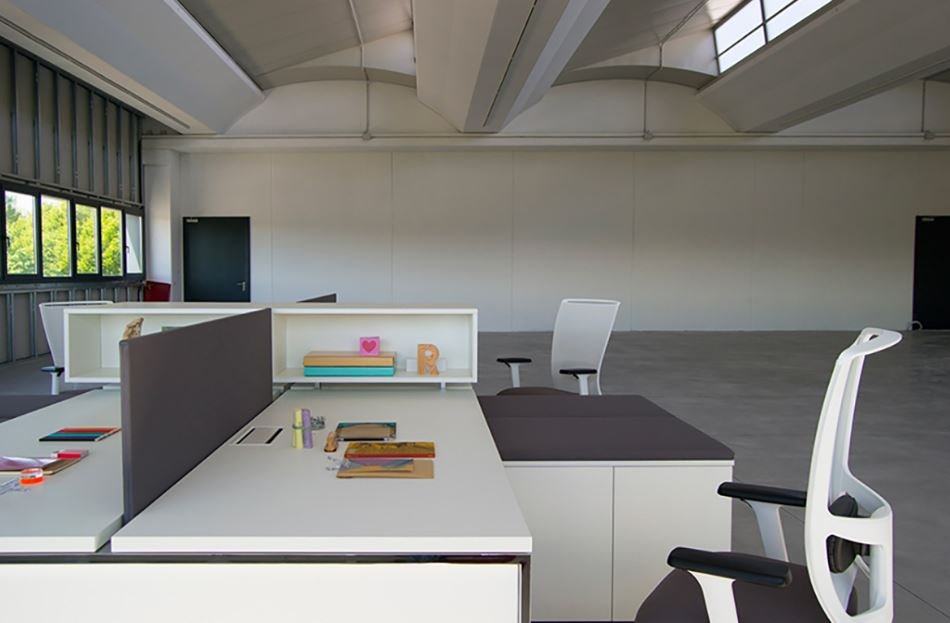
When planning an Office Furniture Project, businesses in Manila and Quezon City need more than desks and chairs. A successful project requires careful space planning, durable furniture selection, efficient layouts, ergonomic considerations, and a clear understanding of how employees and visitors will use the workplace. Whether the project involves a startup office, corporate headquarters, school, hospital, government facility, or professional workspace, the right furniture plan can improve functionality while creating a comfortable and organized environment.
Understanding an Office Furniture Project
An office furniture project is the complete process of planning, selecting, supplying, and arranging furniture for a workplace. It can cover everything from workstations and executive desks to conference tables, reception counters, storage cabinets, office chairs, pedestals, and collaborative seating.
For businesses in the Philippines, project requirements can vary significantly depending on office size, workforce, industry, available floor area, and budget. A small startup may need compact workstations and flexible meeting areas, while a corporate office may require executive rooms, conference facilities, employee workstations, reception furniture, and dedicated storage.
A project-based approach helps organizations consider these requirements together instead of purchasing individual furniture pieces without an overall plan.
Why Proper Office Furniture Planning Matters
Furniture affects how efficiently people move, communicate, work, and collaborate. A poorly planned office can create crowded walkways, insufficient storage, uncomfortable workstations, and wasted floor space.
Proper planning allows businesses to determine how much furniture is required and where each piece should be positioned. It also makes it easier to maintain clear circulation areas and create dedicated zones for different activities.
For example, an office may include separate areas for focused work, meetings, collaboration, reception, management, and employee breaks. Each area can have furniture suited to its purpose.
This approach is particularly useful in dense business environments such as Manila and Quezon City, where maximizing available office space can be an important consideration.
Choosing Furniture Based on Workplace Requirements
Every office furniture project should begin with the actual requirements of the organization. Before selecting products, consider the number of employees, departments, working styles, visitors, storage requirements, and future expansion plans.
A practical assessment may include:
- Number of employees and workstations
- Executive and management requirements
- Meeting and conference spaces
- Reception and waiting areas
- Storage requirements
- Employee collaboration areas
- Available floor space
- Electrical and technology requirements
- Expected future growth
- Furniture budget
Understanding these factors helps prevent unnecessary purchases and ensures that furniture supports the way the organization operates.
Office Workstations and Desk Selection
Workstations are often one of the largest components of an office furniture project. Their configuration should match both the available space and the working requirements of employees.
Businesses can consider individual desks, benching systems, modular workstations, L-shaped desks, straight desks, or partitioned workstation systems. The choice depends on privacy requirements, collaboration needs, floor dimensions, and departmental functions.
For open-plan offices, workstation systems can help create organized employee areas while making efficient use of floor space. For roles requiring concentration or confidential work, additional privacy features may be appropriate.
Desk dimensions should also provide enough space for computers, documents, accessories, and other daily equipment without making the workstation unnecessarily large.
Ergonomic Office Chairs for Better Workspaces
Office chairs should receive particular attention because employees may spend many hours seated during the working day. An ergonomic chair can provide adjustable features that allow users to find a more suitable working position.
Important features can include adjustable seat height, lumbar support, backrest adjustment, armrests, and appropriate seat dimensions.
Instead of choosing chairs based only on appearance, businesses should consider durability, adjustability, user comfort, and suitability for long-term office use. Testing furniture before a large purchase can also help organizations make more informed decisions.
Conference and Meeting Room Furniture
Meeting rooms serve different purposes, from formal client presentations to internal team discussions. The furniture should therefore support the way the room will actually be used.
A conference table should provide sufficient seating without making movement difficult. Comfortable conference chairs can help create a professional environment for longer meetings.
Businesses may also need presentation tables, mobile furniture, storage units, or technology-friendly furniture for screens and conferencing equipment.
For smaller offices, flexible furniture can allow one room to support meetings, training sessions, interviews, and collaborative activities.
Reception and Waiting Area Furniture
The reception area creates an important first impression for visitors, clients, applicants, suppliers, and business partners. It should look professional while remaining comfortable and practical.
A typical reception furniture plan may include a reception counter, visitor chairs, lounge seating, side tables, storage, and appropriate display areas.
The layout should also provide clear movement from the entrance to the reception desk and other areas of the office. Furniture should complement the organization’s overall visual identity without compromising functionality.
Storage Should Be Part of the Project
Storage is sometimes overlooked when businesses plan an office furniture project. However, insufficient storage can quickly create clutter.
Depending on the organization, storage solutions may include filing cabinets, office cupboards, mobile pedestals, shelving systems, lockers, and document storage units.
Storage should be positioned according to how frequently employees need access to documents and supplies. Frequently used materials should be easy to reach, while archived documents can be stored in less prominent locations.
A well-planned storage system can help keep workstations clear and make everyday operations more organized.
Space Planning for Manila and Quezon City Offices
Office space in Manila and Quezon City can vary considerably, from compact commercial units to large corporate workplaces. This makes accurate space planning particularly important.
Before ordering furniture, measure the available floor area and identify doors, windows, columns, electrical points, air-conditioning units, and other fixed features.
A professional furniture layout can then determine workstation positioning, circulation routes, meeting areas, storage locations, and reception zones.
Businesses should also consider future changes. A layout that works today may become restrictive if the organization expects to add employees or departments. Modular and flexible furniture can provide greater adaptability.
Creating a Practical Furniture Budget
An office furniture project should have a clearly defined budget, but price should not be the only consideration. Extremely low-cost furniture may create additional expenses if it requires frequent replacement or repairs.
A practical budget should consider the total project requirement, including furniture, delivery, installation, layout planning, accessories, and potential future expansion.
Businesses can prioritize spending according to workplace needs. For example, ergonomic seating and frequently used workstations may require greater attention, while decorative elements can be selected according to the remaining budget.
Comparing specifications, materials, warranties, dimensions, and expected usage can provide a better basis for purchasing decisions than comparing prices alone.
Installation and Project Coordination
Furniture installation is another important part of the process. Large projects may involve multiple furniture types and several workplace zones, making coordination essential.
Before installation begins, businesses should confirm the final layout, delivery schedule, access routes, floor conditions, and installation requirements.
For offices operating during business hours, project scheduling may also need to minimize disruption to employees and customers.
A coordinated installation process can help ensure that furniture arrives, is assembled, and is positioned according to the approved plan.
Common Office Furniture Project Mistakes
Several avoidable mistakes can affect the success of a furniture project.
One common problem is purchasing furniture before measuring the space. Another is selecting furniture based only on appearance without considering ergonomics and daily usage.
Other mistakes include:
- Ignoring storage requirements
- Creating insufficient walking space
- Buying furniture without checking dimensions
- Forgetting future expansion
- Selecting inconsistent furniture for different departments
- Underestimating installation requirements
- Failing to coordinate furniture with technology
- Choosing products without considering durability
Addressing these issues during the planning stage can reduce unnecessary costs and improve workplace functionality.
How Queens Arts and Trends Can Support Your Project
For organizations planning an office furniture project in the Philippines, Queens Arts and Trends can be considered when evaluating furniture solutions for different workplace environments. A project-focused approach can help businesses think beyond individual furniture pieces and consider how desks, chairs, storage, meeting furniture, and reception elements work together.
Businesses can discuss their available space, furniture requirements, preferred layout, and project goals before making purchasing decisions. This can be particularly useful for companies furnishing new offices, renovating existing workplaces, or expanding into additional locations.
Frequently Asked Questions
What is an Office Furniture Project?
An office furniture project involves planning, selecting, supplying, and installing furniture for a complete workplace based on space, employee, functional, and budget requirements.
How do I plan office furniture for a small office?
Start by measuring the available space, determining the number of users, identifying essential furniture, and creating a layout that maintains comfortable circulation.
What furniture is essential for a corporate office?
Common requirements include workstations, ergonomic chairs, executive desks, meeting tables, conference chairs, storage cabinets, pedestals, and reception furniture.
Should I consider future office expansion?
Yes. Planning for potential growth can make it easier to add employees or modify departments without replacing the entire furniture setup.
Why is space planning important?
Space planning helps businesses use available floor area efficiently while maintaining practical circulation, appropriate workstation placement, storage, and functional work zones.
How can businesses choose office furniture within a budget?
Compare furniture according to durability, dimensions, functionality, ergonomics, warranty, and project requirements rather than considering purchase price alone.
Final Thoughts
A successful office furniture project combines practical planning, suitable furniture, efficient space utilization, ergonomic considerations, and long-term workplace requirements. Businesses in Manila and Quezon City can benefit from assessing their needs before purchasing furniture and developing a complete layout around the way employees and visitors use the space.
From workstations and office chairs to conference rooms, reception areas, and storage, every furniture decision contributes to the overall workplace environment. Careful planning can help businesses create offices that are organized, comfortable, professional, and adaptable to future needs.


