 Skip to content
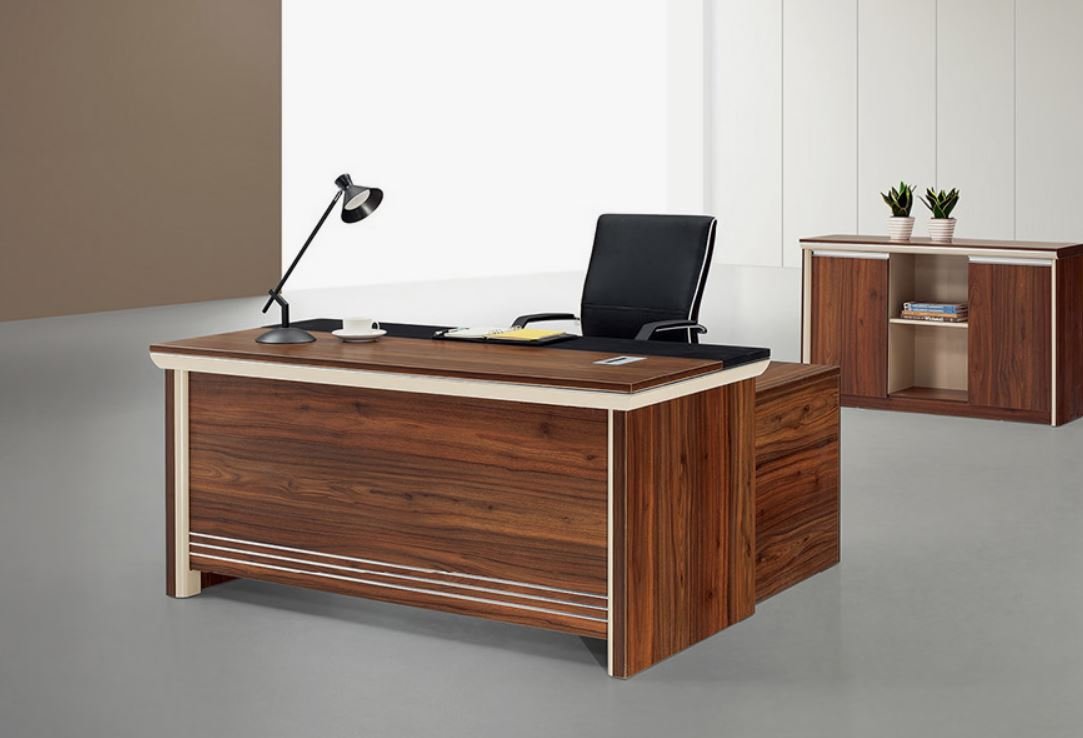
An office renovation is more than replacing old desks or adding new chairs. The furniture you select affects how employees work, how clients perceive your company, and how efficiently every square meter is used. Choosing the right Office Renovation Furniture can help create a workspace that feels organized, comfortable, professional, and suited to the way your team actually works. In Manila and Quezon City, businesses have a wide range of office layouts, from compact startup spaces to large corporate workplaces, so furniture should be selected according to available space, employee requirements, workflow, and long-term business goals.
For businesses planning an office upgrade, furniture should be considered alongside the overall renovation plan rather than treated as an afterthought. Desks, workstations, chairs, conference tables, partitions, reception counters, and storage systems all influence the final layout. A coordinated furniture plan can also make installation easier because dimensions, circulation areas, electrical requirements, and storage needs can be considered before products are ordered.
What Is Office Renovation Furniture?
Office renovation furniture refers to furniture selected, customized, replaced, or rearranged as part of an office renovation or workspace improvement project. It can include employee workstations, executive desks, office chairs, conference tables, filing cabinets, reception counters, partitions, collaborative seating, storage units, and other workplace essentials.
The purpose is not simply to make an office look newer. Good renovation furniture should support productivity, employee comfort, organization, privacy, collaboration, and efficient use of available space. A successful renovation therefore starts with understanding how people use the office and then selecting furniture that supports those activities.
Modern office furniture suppliers increasingly combine products with planning, customization, delivery, and installation services. This approach is useful when a company needs furniture that fits unusual room dimensions or wants several furniture categories to work together visually.
Why Furniture Matters During An Office Renovation
Furniture can influence the entire experience of a renovated office. A poorly planned layout may make a newly renovated space feel crowded, while appropriately sized desks and well-positioned storage can make the same area feel considerably more functional.
Ergonomics is another important consideration. Employees may spend many hours at their desks, making chair support, desk height, monitor positioning, and adequate working space important factors. Furniture should therefore support comfortable working positions instead of focusing only on appearance.
Storage also deserves attention. Filing cabinets, mobile pedestals, shelving, and other storage solutions can reduce clutter and keep frequently used materials accessible. For businesses handling documents, equipment, or supplies, sufficient storage can be particularly important.
A renovation is also an opportunity to create consistency. Matching desks, chairs, partitions, reception furniture, and meeting-room furniture can establish a professional visual identity without requiring every item to have exactly the same design.
How To Choose Furniture For An Office Renovation
Start by measuring the existing space. Record room dimensions, columns, windows, doors, electrical outlets, air-conditioning units, emergency exits, and other fixed elements. This information helps prevent furniture from interfering with circulation or building services.
Next, identify the activities that take place in each area. An employee workstation has different requirements from a meeting room, executive office, reception area, pantry, training room, or collaborative zone. Instead of choosing products first, determine what each area needs to accomplish.
Consider the number of employees and whether the workforce is expected to grow. A layout designed only for today’s headcount may become inefficient after hiring additional staff. Modular workstations and flexible furniture can make future changes easier.
Material selection is also important. Office Renovation Furniture can be exposed to frequent use, so surfaces, hardware, edges, frames, upholstery, and finishes should be evaluated for durability and maintenance requirements. Businesses should also consider whether the furniture can be repaired, reconfigured, or expanded when requirements change.
Essential Furniture For A Renovated Office
A complete renovation may require several furniture categories. Workstations are suitable for individual employees and teams that need organized personal work areas. Bench-style or modular systems can be useful when businesses want to accommodate more employees while maintaining a clean layout.
Executive tables and desks can create dedicated work areas for managers and senior staff. Conference tables are important for meetings, presentations, interviews, and collaborative discussions. Reception counters establish the first impression for visitors and should provide an appropriate balance between appearance and functionality.
Office chairs should receive particular attention because employees use them for extended periods. Adjustable features, back support, seat dimensions, and overall construction should be considered instead of selecting chairs based only on appearance.
Storage furniture can include filing cabinets, side cabinets, mobile pedestals, shelving, and other organizational systems. Partitions can help define work zones, provide privacy, and organize larger open-plan offices.
Office Furniture For Small Spaces In Manila And Quezon City
Space efficiency is particularly important when renovating smaller offices. Instead of filling a compact room with oversized furniture, businesses can use appropriately scaled desks, modular workstations, mobile storage, and multipurpose furniture.
Vertical storage can help use available wall space without occupying excessive floor area. Mobile pedestals can provide storage while remaining easy to relocate. Smaller meeting tables can create functional discussion areas without requiring a dedicated large conference room.
Glass or visually lighter partitions may also help maintain a sense of openness while separating different work zones. The objective is to make every area useful without creating unnecessary congestion.
Creating Better Workstations During Renovation
Workstations should reflect the tasks employees perform. Employees who use multiple monitors may need larger work surfaces, while roles involving frequent collaboration may benefit from flexible layouts.
Cable management should also be considered during planning. Computers, monitors, chargers, network equipment, and other devices can quickly create visual clutter if cables are not properly managed. Furniture with suitable cable-management solutions can help maintain a cleaner workspace.
Desk placement matters as well. Avoid blocking walkways, doors, windows, emergency routes, or important service points. Adequate circulation space allows employees to move comfortably and helps the office feel less crowded.
Reception And Client-Facing Areas
The reception area is often the first physical experience visitors have with a business. During renovation, the reception counter should complement the company’s professional identity while providing enough workspace for reception staff.
Seating should be comfortable and appropriate for the expected number of visitors. Storage for documents and supplies should also be considered so the reception area remains organized.
The design does not need to be extravagant. A well-proportioned reception desk, suitable visitor chairs, thoughtful lighting, organized storage, and consistent finishes can create a polished environment.
Conference And Collaboration Furniture
Modern offices often need spaces for both formal meetings and informal collaboration. A conference room may require a larger table, comfortable chairs, power access, and enough room for presentations or video meetings.
Smaller collaborative areas can use compact tables and flexible seating. The right combination allows employees to move away from their individual workstations when brainstorming, discussing projects, or holding short meetings.
When selecting conference furniture, consider room dimensions and the number of participants rather than choosing the largest table available. Oversized furniture can reduce circulation and make a meeting room less practical.
Office Partitions And Privacy
Open offices can encourage communication, but not every task requires an open environment. Partitions can help establish boundaries between departments, provide visual privacy, and reduce distractions.
The appropriate partition depends on the desired level of privacy and the overall design. Panel systems, glass partitions, and other space-dividing solutions can be incorporated into a renovation plan without making the office feel unnecessarily enclosed.
Partitions can also help create distinct areas for management, customer service, finance, human resources, meeting spaces, and other functions.
Custom Office Furniture For Renovation Projects
Standard furniture works well for many offices, but customization can become valuable when rooms have unusual dimensions or specific operational requirements. Custom office tables, storage units, reception counters, and workstations can be designed around the available space.
Customization should begin with accurate measurements and a clear understanding of the intended use. It is also useful to review materials, finishes, dimensions, hardware, and drawings before production.
Queens Arts and Trends provides office furniture categories including office partitions, office tables, executive tables, conference tables, reception counters, office chairs, filing cabinets, and accordion doors or operable walls. Its website also presents a design consultation and project-oriented approach for businesses planning workplace furniture requirements.
How Much Office Renovation Furniture Do You Need?
The quantity depends on employee headcount, room functions, floor area, and the type of layout. A company should not calculate furniture only by counting employees.
For example, a 30-person office may require 30 primary workstations but could also need executive furniture, meeting tables, visitor seating, storage, reception furniture, and collaborative areas.
A practical furniture plan should therefore account for the complete workplace rather than focusing on individual desks. This approach can prevent under-ordering and reduce the possibility of purchasing unnecessary items.
Office Renovation Furniture Buying Checklist
Before placing an order, review the furniture against the renovation plan. Important considerations include:
- Available room dimensions
- Number of employees
- Workstation requirements
- Chair ergonomics
- Storage capacity
- Meeting-room requirements
- Reception needs
- Partition requirements
- Materials and finishes
- Cable management
- Delivery access
- Installation requirements
- Future expansion
- Warranty and after-sales support
A supplier that can discuss measurements, layouts, customization, delivery, and installation can make the purchasing process easier, particularly for larger office renovation projects.
Common Mistakes To Avoid
One common mistake is purchasing furniture before finalizing the layout. Furniture dimensions can affect electrical planning, circulation, partitions, and room capacity.
Another mistake is selecting products entirely based on appearance. A visually attractive desk may not provide enough workspace, while a stylish chair may not provide the adjustability employees need.
Ignoring storage is another problem. Offices can quickly become cluttered when there is insufficient space for documents, equipment, and supplies.
Businesses should also avoid buying furniture without checking delivery and installation requirements. Large tables, cabinets, and partition systems may require careful transportation and assembly, especially in multi-floor commercial buildings.
Office Renovation Furniture For Growing Businesses
Startups and expanding businesses should consider flexibility when purchasing furniture. Employee numbers, departments, and working styles can change quickly.
Modular workstations can make future reconfiguration easier. Mobile storage can be relocated when teams move. Flexible meeting furniture can allow a room to serve multiple purposes.
Choosing adaptable furniture does not necessarily mean purchasing the most expensive solution. The goal is to select products that can continue to serve the business as its workplace requirements evolve.
How To Plan An Office Furniture Renovation Project
A successful project generally begins with a site assessment and measurements. The next stage is understanding employee requirements and defining the purpose of each area.
After that, furniture specifications can be prepared. Businesses can compare dimensions, materials, finishes, functionality, pricing, lead times, installation requirements, and warranty coverage.
Before production or final ordering, review the proposed layout carefully. For customized furniture, approved drawings and dimensions should be checked before manufacturing begins.
Finally, coordinate delivery and installation with the broader renovation schedule. Furniture installation should not disrupt electrical, flooring, painting, ceiling, network, or other renovation activities.
Why Local Knowledge Matters In Manila And Quezon City
Businesses in Manila and Quezon City can benefit from working with furniture suppliers familiar with local commercial environments. Site access, building requirements, delivery schedules, installation coordination, and space constraints can vary between properties.
A local supplier may also make site visits, measurements, consultations, and follow-up communication more convenient. For larger renovation projects, these practical factors can have a significant effect on the overall project experience.
The local market already includes suppliers offering combinations of office furniture, customization, installation, and fit-out services. For example, Jecams lists office furniture alongside fit-out and renovation services, while Accent Systems offers office furniture systems and installation-related services within Metro Manila.
Why Office Renovation Should Begin With Planning
Furniture is one of the most visible and frequently used components of a renovated office. If it is selected without considering the complete workplace, businesses may end up with crowded walkways, insufficient storage, unsuitable desks, or furniture that does not match the room dimensions.
A better approach is to plan furniture together with the renovation. Start with measurements, understand employee activities, establish functional zones, select appropriate furniture categories, and then coordinate delivery and installation.
This creates a stronger connection between the physical office and the way employees actually work.
Frequently Asked Questions About Office Renovation Furniture
What furniture is needed for an office renovation?
Most office renovations require some combination of workstations, desks, ergonomic chairs, storage cabinets, filing cabinets, conference tables, reception furniture, and partitions. The exact selection depends on the office layout and business requirements.
How do I choose furniture for a small office?
Prioritize appropriately sized desks, flexible workstations, vertical storage, mobile pedestals, and multipurpose furniture. Measure the space first so furniture does not restrict circulation.
Is custom office furniture worth considering?
Custom furniture can be useful when standard dimensions do not fit the available space or when a business has specific storage, workstation, reception, or design requirements.
Should office furniture be selected before renovation?
Furniture planning should happen early in the renovation process because furniture dimensions and layouts can affect electrical points, partitions, circulation, storage, and other workplace requirements.
What should I consider when buying office chairs?
Consider adjustability, back support, seat comfort, dimensions, construction quality, and how long employees typically use the chairs each day.
Can office furniture support future expansion?
Yes. Modular workstations, mobile storage, flexible meeting furniture, and reconfigurable layouts can make it easier to accommodate changes in employee numbers or departmental requirements.
How can I plan office furniture in Quezon City?
Start with an accurate site measurement and define the requirements for each room. A local office furniture supplier can then help with suitable products, customization, layout planning, delivery, and installation.
Where can businesses find office renovation furniture in Manila?
Businesses should compare suppliers based on product range, customization capability, material quality, installation support, delivery, warranty, and experience with commercial office projects rather than choosing solely on price.
Final Thoughts
The right furniture can make an office renovation more functional, comfortable, organized, and professional. Instead of treating furniture as the final purchase after construction, businesses should integrate furniture planning into the renovation from the beginning. This allows desks, chairs, partitions, storage, reception areas, and meeting spaces to work together as one complete environment.
For companies in Manila and Quezon City, the best solution is one that balances space, employee needs, durability, aesthetics, flexibility, and budget. Whether the project involves a small startup office, a growing corporate workplace, a school, a healthcare facility, or a large commercial environment, careful furniture planning can improve the usability of the finished space.
If you are planning an office renovation, review your floor plan, identify your furniture requirements, and request a detailed quotation based on your actual space. A professional consultation can help you compare suitable furniture options before committing to a large purchase. Queens Arts and Trends can be considered as a local option for businesses looking for office tables, partitions, executive furniture, conference tables, reception counters, chairs, and filing cabinets in Quezon City and Metro Manila.


