 Skip to content
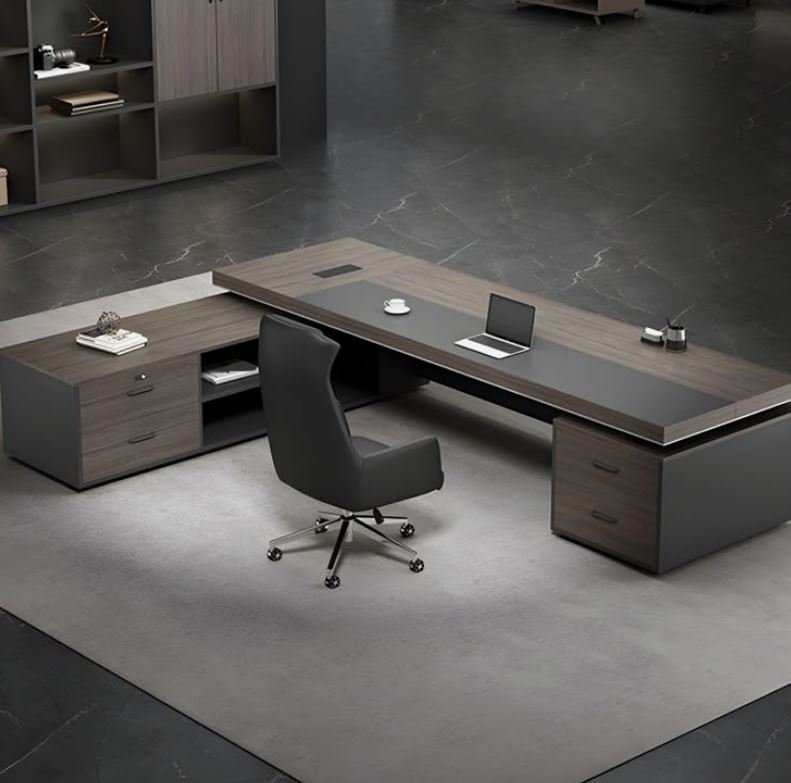
An office workspace should support productivity, organization, comfort, and the way people actually work. The right Office Table can make a noticeable difference in how efficiently employees use their space, especially in busy workplaces across Manila and Quezon City. From compact desks for startups to spacious executive tables for corporate offices, businesses have many options to consider before making a purchase.
Today, office furniture is no longer only about having a surface for a computer. Businesses are looking for furniture that combines functionality, durability, professional appearance, storage, cable management, and efficient space utilization. Queens Arts and Trends understands the importance of selecting office furniture that suits both the working environment and the needs of the people using it.
What Is an Office Table?
An office table is a workspace designed for professional activities such as computer work, meetings, paperwork, administration, planning, and management tasks. Depending on its design, it can include drawers, cabinets, shelves, modesty panels, cable-management features, or additional working surfaces.
The ideal table depends on the purpose of the workspace. A staff member who works primarily on a computer may need a practical workstation with sufficient legroom and cable organization. An executive may require a larger desk with storage and a more formal appearance. A meeting room, meanwhile, may benefit from a conference table designed to accommodate several people.
Choosing according to function helps businesses avoid spending money on furniture that does not suit their daily requirements.
Why the Right Office Table Matters
A well-designed workspace can help employees keep essential equipment and documents organized. It can also make better use of limited floor space, which is particularly important for offices operating in busy commercial areas of Metro Manila.
The table should provide enough room for the user’s monitor, keyboard, documents, stationery, and other necessary equipment. At the same time, it should not occupy more floor space than necessary.
Appearance also matters. Office furniture contributes to the overall impression of a workplace. A coordinated furniture layout can create a professional environment for employees, clients, suppliers, and visitors.
For businesses furnishing an entire office, selecting tables as part of a complete furniture plan can also create visual consistency throughout the workplace.
Types of Office Tables for Different Workplaces
Different businesses have different furniture requirements. Understanding the major table styles can make the purchasing process easier.
Staff Office Tables
Staff tables are generally designed for everyday administrative and computer-based work. They can work well in accounting departments, customer service areas, administrative offices, and other employee workspaces.
For smaller offices, compact rectangular tables can help maximize usable floor space. Where storage is necessary, models with drawers or side cabinets can provide convenient access to documents and supplies.
Executive Office Tables
Executive tables usually have larger working surfaces and a more substantial appearance. They are suitable for managers, directors, business owners, and professionals who require additional workspace.
An executive desk can provide room for multiple monitors, documents, meeting materials, and office accessories. L-shaped executive designs can also provide separate areas for computer work and paperwork.
L-Shaped Office Tables
L-shaped tables are useful when a workstation needs more than one working surface. Their configuration can create separate zones for computers, documents, meetings, and administrative tasks.
They can be particularly useful in offices where floor space needs to be used efficiently. Before choosing one, measure the available area carefully and consider doorways, walkways, cabinets, and other furniture.
Computer Tables
Computer tables are designed around technology-based work. They generally provide sufficient space for monitors, keyboards, accessories, and other equipment.
For modern offices, cable organization is an important consideration. A table with cable-management openings or appropriate wire-routing solutions can help prevent loose cables from creating a messy workspace.
Conference Tables
Conference tables are intended for collaborative meetings, presentations, interviews, and group discussions. The required size depends on the number of users and the dimensions of the meeting room.
A conference table should leave enough clearance around the seating area so people can move comfortably without creating unnecessary congestion.
Reception and Consultation Tables
Reception and consultation areas often require tables that balance appearance with practical use. The furniture should complement the overall office design while providing enough space for conversations, paperwork, and client interactions.
How to Choose the Right Office Table
Choosing office furniture should begin with the actual requirements of the workplace rather than appearance alone.
Start by measuring the available floor area. Record the room’s length and width and consider fixed elements such as columns, doors, windows, electrical outlets, and existing storage units.
Next, determine how the table will be used. A workstation for one employee has different requirements from an executive desk or a conference table.
The number of monitors and devices should also be considered. Employees using multiple screens may require a wider tabletop, while people working primarily with laptops may need less surface area.
Storage is another important factor. If employees frequently handle documents, stationery, files, or equipment, integrated drawers, pedestals, or nearby cabinets can make the workspace easier to organize.
Finally, consider the overall office layout. A beautiful desk is not necessarily the right choice if it restricts movement or makes the room feel crowded.
What Materials Should You Consider?
Office tables are available in different materials and finishes. The choice should reflect the expected usage, budget, maintenance requirements, and design of the workplace.
Engineered wood and laminated boards are popular for many office environments because they can provide practical surfaces in a range of finishes. Metal components may be used for legs and structural support, while combinations of wood and metal can create a contemporary appearance.
For high-use commercial environments, buyers should pay attention to construction quality, edge finishing, hardware, joints, and the overall stability of the table.
The material should also be appropriate for the workplace environment. A table used every day by multiple employees needs different considerations from a desk intended for occasional use.
Office Table Size and Workspace Planning
Size should never be selected based only on how a table looks in a product photograph.
A common mistake is purchasing a large desk without considering the surrounding workspace. The table may technically fit inside the room but still leave insufficient space for chairs, cabinets, walkways, and visitors.
Measure the entire room before ordering. Allow adequate clearance behind chairs and around frequently used areas. For shared offices, consider how employees will move between workstations.
In smaller Manila or Quezon City offices, compact tables, corner configurations, and modular workstations can help businesses use limited floor space more effectively.
Office Tables for Manila and Quezon City Businesses
Businesses in Manila and Quezon City operate in a wide range of environments, including corporate offices, startups, schools, clinics, government facilities, professional firms, and commercial establishments.
Because workspace requirements vary significantly, businesses should avoid choosing furniture solely because it is popular. A startup with a compact office may prioritize space efficiency, while a law firm or corporate office may require larger desks and additional storage.
Local businesses can also benefit from working with an office furniture supplier that understands the practical requirements of commercial installations, including measurements, delivery, installation, and workspace planning.
How Much Should You Budget for an Office Table?
There is no single price that fits every business because the cost depends on size, materials, construction, storage, customization, finish, and quantity.
Current Philippine office-furniture listings show substantial variation, with basic office tables available at lower price points and larger or customized designs costing considerably more. For example, current Manila listings include office tables ranging from several thousand pesos to much higher-priced executive and customized models.
Instead of choosing solely according to the lowest price, businesses should consider long-term value. A table that is stable, durable, functional, and suitable for daily use may provide better value than a cheaper product that requires early replacement.
For larger projects, requesting a quotation can also help businesses compare options based on quantity, specifications, delivery, and installation requirements.
Common Mistakes When Buying Office Tables
One common mistake is ignoring measurements. Even a high-quality table can become inconvenient if it makes the office difficult to navigate.
Another mistake is choosing appearance over functionality. A stylish desk may not provide enough space for monitors, documents, or equipment.
Buyers should also avoid overlooking cable management. Modern workplaces often contain multiple devices, and poorly managed cables can quickly make a workspace look untidy.
Choosing furniture without considering future requirements can create another problem. If a business expects to expand, modular or adaptable furniture may be more practical than a layout that cannot easily accommodate additional employees.
Office Table Buying Checklist
Before purchasing, consider the following:
- Measure the available workspace.
- Identify the primary purpose of the table.
- Determine the required tabletop size.
- Check storage requirements.
- Consider cable management.
- Review material and construction quality.
- Confirm the available finish and color.
- Check delivery and installation arrangements.
- Consider future expansion.
- Request a quotation for larger requirements.
These factors can help businesses make a more informed purchasing decision.
Why Choose Queens Arts and Trends?
Selecting office furniture is an investment in the working environment. Businesses need furniture that fits their space, supports everyday activities, and complements their professional image.
Queens Arts and Trends can be positioned as a reliable furniture partner for businesses looking for practical and visually appealing office solutions. Whether the requirement involves individual workstations, executive furniture, collaborative areas, or a complete office setup, the purchasing process should begin with understanding the client’s space and functional requirements.
For businesses in Manila and Quezon City, a consultation can make it easier to identify appropriate sizes, configurations, finishes, and furniture combinations before making a final decision.
Final Thoughts
The best Office Table is not necessarily the largest, cheapest, or most fashionable option. It is the one that matches the user’s work, available space, storage needs, office layout, and long-term requirements.
Businesses should evaluate dimensions, materials, functionality, durability, cable management, storage, and overall workspace design before purchasing. A thoughtful selection can help create a more organized and professional office while making better use of available floor space.
If you are planning a new office, renovating an existing workspace, or furnishing multiple locations in Manila or Quezon City, consider discussing your requirements with Queens Arts and Trends. Request a quotation and compare suitable options based on your actual workspace needs rather than choosing furniture based on appearance alone.
Frequently Asked Questions
What is the best Office Table for a small office?
A compact rectangular, straight, or corner table can be suitable for smaller offices because it provides practical workspace without consuming excessive floor area.
What size Office Table should I buy?
The appropriate size depends on the user, equipment, room dimensions, and available clearance. Measure the workspace before selecting a table.
Are L-shaped office tables good for productivity?
L-shaped tables can provide separate work zones for computers, paperwork, and other activities while making efficient use of corners.
What should I look for in an Office Table?
Consider size, construction, material, stability, storage, cable management, finish, maintenance requirements, and compatibility with the office layout.
Can businesses order customized office tables?
Customization may allow businesses to specify dimensions, configurations, finishes, storage features, and other requirements. Ask the supplier what customization options are available.
Where can businesses buy Office Tables in Manila?
Businesses should compare local office furniture suppliers based on product quality, customization, quotation support, delivery, installation, and after-sales service. Current Philippine search results show multiple suppliers serving Manila and surrounding areas.


