 Skip to content
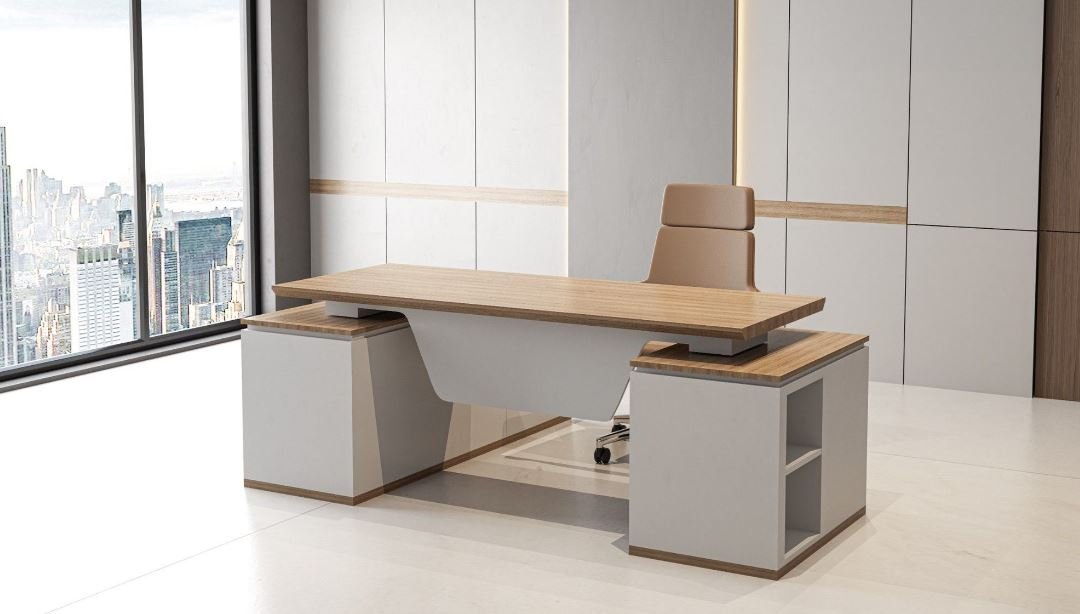
A well-planned workspace starts with furniture that supports the way people actually work. An Office Work Table can influence organization, comfort, collaboration, and how efficiently employees use their working area. For businesses in Manila and Quezon City, choosing the right table means considering available space, work requirements, materials, durability, storage, and overall office layout. Whether you are furnishing a startup, corporate office, school, government workplace, or professional studio, the right table should balance function with a clean and professional appearance.
What Is an Office Work Table?
An Office Work Table is a work surface designed for professional tasks such as computer work, writing, meetings, document preparation, planning, and collaborative activities. Unlike a basic household table, office tables are generally designed around workplace requirements, including practical dimensions, cable management, storage compatibility, durability, and efficient use of floor space.
The ideal table depends on how employees work. A workstation for an individual employee may need enough space for a monitor, keyboard, documents, and personal items. A collaborative table may require a larger surface that allows several people to work together. Meeting and conference tables have different proportions because they are designed primarily for communication and group discussions.
Why the Right Office Table Matters
Office furniture is more than a visual feature. It contributes to how employees organize their daily activities. A table that is too small can create clutter, while an oversized table may unnecessarily reduce walking space.
Good office furniture planning considers workflow, employee requirements, available floor area, and future expansion. For example, an open-plan office in Manila may benefit from compact workstations that provide employees with adequate personal workspace without consuming excessive floor space.
For growing businesses, modular furniture can also make future changes easier. Tables that can be rearranged or combined can support changing team structures without requiring a complete furniture replacement.
Types of Office Work Tables for Different Needs
Different workplaces require different table configurations. Understanding the options can make the purchasing process easier.
Individual Work Tables
Individual tables are suitable for employees who primarily perform computer-based or administrative work. They can provide enough room for a monitor, keyboard, documents, and office accessories while maintaining a straightforward layout.
Managerial Office Tables
Managers and department heads may require larger work surfaces because their daily responsibilities can include meetings, paperwork, planning, and computer-based tasks. A larger desk can also accommodate additional storage solutions.
Collaborative Work Tables
Collaborative tables are useful for teams that frequently communicate or work on shared projects. They can be positioned in open areas or dedicated collaboration zones.
Conference and Meeting Tables
Conference tables are designed for group meetings, presentations, interviews, and discussions. Their size and shape should match the number of users and the dimensions of the meeting room.
Modular Work Tables
Modular designs can be useful for businesses expecting changes in team size or office configuration. They can support flexible layouts and make workplace reorganization easier.
How to Choose the Right Office Work Table
Choosing Office Work Table should begin with the actual requirements of the workspace rather than appearance alone.
First, measure the available area. Consider not only the table dimensions but also chair clearance, walking paths, cabinets, doors, and emergency access. A table that looks suitable in a showroom may not work efficiently in a smaller office.
Next, determine how the table will be used. Employees working with multiple monitors may require greater depth, while workers who mainly use laptops may need less surface area. Teams handling physical documents may also need additional workspace.
Material is another important consideration. Office tables may use engineered wood, laminate, metal components, glass, or combinations of different materials. The best choice depends on expected usage, maintenance requirements, budget, and desired appearance.
Office Work Table Materials and Durability
Durability is especially important for commercial environments because office furniture can experience frequent daily use.
Engineered wood with a durable laminate surface can provide a practical balance between appearance and maintenance. Laminate surfaces are also available in different finishes, allowing businesses to coordinate tables with existing office furniture.
Metal components can add structural strength, particularly in table frames and supporting structures. A combination of durable surfaces and strong frames can help furniture withstand regular workplace use.
When comparing materials, buyers should also examine edge finishing, joints, hardware, frame construction, surface thickness, and warranty coverage rather than evaluating the tabletop alone.
Office Table Design for Manila and Quezon City Workspaces
Office layouts in Manila and Quezon City can vary significantly. Some companies operate in compact commercial spaces, while others have larger corporate offices with dedicated departments and meeting areas.
For smaller offices, space-efficient tables can help maintain comfortable circulation. For larger workplaces, furniture can be organized into dedicated zones for individual work, collaboration, meetings, and management.
Local businesses should also consider delivery access, building restrictions, installation requirements, and the practical dimensions of elevators, hallways, and office entrances when purchasing large furniture.
Office Work Table Buying Checklist
Before placing an order, businesses can review the following points:
- Measure the available floor space.
- Identify the number of employees using the furniture.
- Determine whether the table is for individual or collaborative work.
- Check tabletop dimensions and usable surface area.
- Consider cable-management requirements.
- Review material quality and construction.
- Match the design with existing office furniture.
- Check storage requirements.
- Consider cleaning and maintenance needs.
- Confirm delivery and installation arrangements.
- Ask about warranty and after-sales support.
- Request a quotation based on the actual project requirements.
This approach helps procurement teams compare options based on practical requirements rather than appearance or price alone.
Office Furniture for Startups and Growing Businesses
Startups often need furniture that works within a controlled budget while allowing the workplace to develop over time. A practical furniture plan can prioritize essential workstations first and introduce additional meeting or collaboration furniture as the company grows.
Modular tables can be particularly useful when teams frequently change size or seating arrangements. Instead of designing the entire workplace around one fixed configuration, businesses can choose furniture that supports future adjustments.
For established companies, consistency can also matter. Matching table designs across departments can create a more organized visual environment while simplifying future furniture additions.
Office Furniture for Schools, Government Offices, and Hospitals
Different sectors have different workplace requirements. Schools may need administrative work tables, faculty work areas, computer tables, and meeting furniture. Government offices may prioritize durability, organization, and efficient use of public workspace.
Hospitals and healthcare-related offices may require easy-to-maintain furniture and layouts that support staff workflow. Procurement teams should consider the specific operational environment before selecting furniture based solely on design.
How Queens Arts and Trends Can Support Office Furniture Planning
Choosing office furniture is easier when the purchasing process considers the complete workplace rather than one individual product. Queens Arts and Trends can be considered when businesses are evaluating office furniture solutions for professional environments.
A useful consultation should cover workspace measurements, employee requirements, preferred configurations, material choices, storage needs, and the intended office style. Businesses in Manila and Quezon City can use these factors to develop a furniture plan that supports both current operations and future workplace changes.
Common Mistakes When Buying Office Tables
One common mistake is choosing furniture based only on appearance. A stylish table may not provide sufficient working space or may be unsuitable for the intended workflow.
Another mistake is ignoring circulation space. Employees need enough room to move comfortably around desks and chairs. Overcrowding can make an office feel less functional.
Businesses also sometimes overlook cable management. Modern workplaces often contain monitors, computers, chargers, networking equipment, and other electronics. Planning cable routes early can help maintain a cleaner workspace.
Finally, buyers should avoid comparing products only by price. Construction quality, dimensions, materials, warranty, delivery, installation, and long-term usability can affect the actual value of office furniture.
Frequently Asked Questions
What size Office Work Table should I choose?
The appropriate size depends on the user’s tasks, equipment, available floor space, and required storage. Measure the workspace before selecting a table.
Which material is best for office tables?
There is no single best material for every workplace. Laminate, engineered wood, metal, and other materials can be suitable depending on durability, maintenance, design, and budget requirements.
Can office tables be used in small offices?
Yes. Compact and modular designs can help businesses use limited floor space efficiently while maintaining practical work areas.
Should office tables include cable management?
Cable management is useful for modern workspaces because it helps organize computer, monitor, and charging cables while keeping work areas cleaner.
How can businesses choose office furniture in Manila?
Businesses should consider workspace measurements, employee requirements, furniture quality, delivery logistics, installation, warranty, and the supplier’s ability to support their project.
Final Thoughts
The right Office Work Table should support productivity, organization, comfort, and efficient use of workplace space. Businesses should consider dimensions, materials, layout, durability, cable management, storage, and future flexibility before making a purchase.
For companies furnishing offices in Manila and Quezon City, a well-planned furniture selection can create a professional environment without sacrificing practical workflow. Start by assessing your space and daily requirements, then compare furniture solutions according to quality, functionality, and long-term value. When you are ready to plan your workplace, requesting a quotation or discussing your requirements with an experienced office furniture provider can help you make a more informed purchasing decision.


