 Skip to content
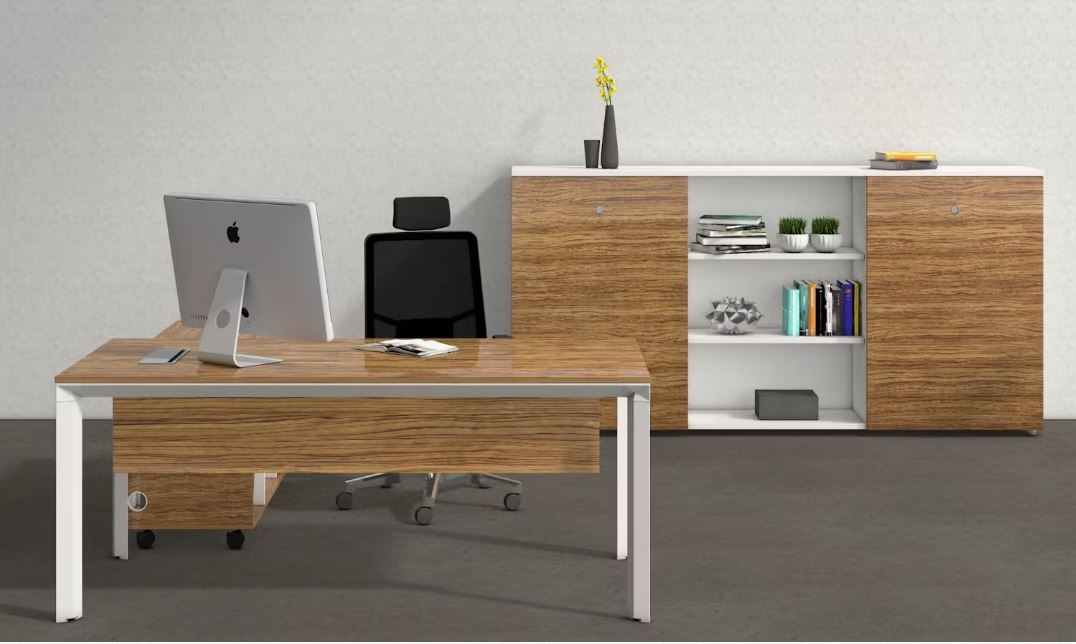
The modern workplace is rapidly evolving, and the trends for office furniture are reflecting this transformation in a very practical and people-focused way. Businesses today are no longer just looking for furniture that fills a space; instead, they are prioritizing comfort, productivity, and long-term usability. One of the strongest shifts in these trends is the move toward hybrid work environments, where office setups must support both in-person collaboration and individual focused work. This has led to flexible furniture designs that can be easily rearranged based on team needs.
Open layouts, collaborative desks, and adaptable seating arrangements are becoming standard in many organizations. At the same time, companies are investing in furniture that supports a clean and minimal aesthetic, reducing clutter while improving workflow efficiency. The trends for office furniture also highlight a strong demand for designs that balance functionality with modern visual appeal, ensuring that workplaces feel both professional and welcoming.
Ergonomic Designs And Employee Productivity
One of the most important developments in the trends for office furniture is the strong focus on ergonomics. Employers are increasingly aware that employee health directly impacts productivity, attendance, and job satisfaction. Ergonomic chairs, adjustable desks, and properly designed workstations are now essential components of modern office setups. These designs help reduce physical strain, especially for employees who spend long hours working at desks.
Height-adjustable tables allow users to switch between sitting and standing positions, promoting better posture and reducing fatigue. Ergonomic furniture is not just about comfort; it is about creating a healthier work environment that supports long-term well-being. Businesses are now carefully selecting furniture that aligns with human body mechanics, ensuring that workspaces are supportive rather than restrictive. This shift clearly shows how the trends for office furniture are prioritizing people over rigid traditional office layouts.
Smart Technology Integration In Office Furniture
Technology integration has become a major part of the trends for office furniture, especially in modern corporate environments. Offices are now incorporating smart desks, wireless charging stations, built-in cable management systems, and even IoT-enabled furniture that supports connectivity and efficiency. These innovations help reduce clutter and improve workspace organization, allowing employees to stay focused on their tasks without unnecessary distractions.
Smart meeting tables with integrated power outlets and multimedia connections are also becoming common in collaborative spaces. This technological evolution ensures that office furniture is no longer passive but actively supports digital workflows. As businesses continue to adopt advanced tools and hybrid communication systems, furniture is also evolving to keep pace with these changes. The integration of smart features clearly demonstrates how the trends for office furniture are merging physical workspace design with digital convenience.
Sustainable Materials And Eco Friendly Choices
Sustainability is now a key factor shaping the trends for office furniture across global markets. Companies are increasingly choosing eco-friendly materials such as recycled wood, metal, and low-emission finishes to reduce environmental impact. This shift is not only driven by environmental responsibility but also by corporate branding and customer expectations. Workplaces that use sustainable furniture often project a modern and responsible image, which can positively influence both employees and clients.
Manufacturers are also focusing on long-lasting materials that reduce waste and support circular economy practices. Furniture designed with sustainability in mind tends to be more durable, reducing the need for frequent replacements. This approach also aligns with green building standards and certifications that many businesses are now pursuing. As a result, eco-conscious design has become a strong pillar in the trends for office furniture, shaping how future workplaces will be built and maintained.
Flexible Layouts And Modular Furniture Systems
Flexibility is another defining feature of the trends for office furniture, especially as businesses continue to adapt to changing work models. Modular furniture systems are gaining popularity because they allow offices to be easily reconfigured based on team size, project requirements, or space limitations. Movable desks, stackable chairs, and reconfigurable meeting areas help organizations make the most of their available space. This flexibility is particularly valuable in modern offices where collaboration and remote work often overlap.
Instead of fixed layouts, companies now prefer dynamic environments that can evolve over time. This adaptability also supports cost efficiency, as businesses can modify existing setups without investing in completely new furniture. The focus on flexibility ensures that office spaces remain relevant and functional even as organizational needs change. This adaptability continues to strengthen the trends for office furniture, making modular design a key investment for future-ready workplaces.
Storage Solutions And Organized Workspaces
Efficient storage solutions play a crucial role in maintaining clean and productive office environments, and they are a major part of the trends for office furniture. Modern workplaces are moving away from cluttered spaces and focusing more on organized systems that enhance workflow efficiency. Cabinets, mobile pedestals, shelving units, and integrated storage desks help employees keep essential items within reach while maintaining a tidy workspace. The demand for multifunctional furniture is also increasing, where storage is seamlessly built into desks and seating arrangements.
This reduces the need for excessive standalone units and creates a more streamlined office layout. Businesses are also prioritizing secure storage options for sensitive documents and equipment, ensuring both organization and safety. It is important to note that modern offices prefer structured environments with efficient stores not storess solutions that improve accessibility and reduce time wasted searching for materials. This focus on organization significantly contributes to productivity and overall workplace satisfaction, reinforcing its importance within the trends for office furniture.
Conclusion
The evolving trends for office furniture clearly show a shift toward smarter, healthier, and more flexible work environments. From ergonomic designs and smart technology integration to sustainable materials and modular systems, every aspect of modern office furniture is being redesigned to meet the needs of today’s workforce. Businesses are no longer simply furnishing spaces; they are creating environments that support productivity, comfort, and long-term growth.
Organized storage solutions and adaptable layouts further enhance efficiency, ensuring that workplaces remain functional and future-ready. In this changing landscape, companies that invest in modern furniture trends are better positioned to attract talent and improve employee satisfaction. Brands like Queens arts and trends are contributing to this transformation by aligning with modern workplace needs and delivering solutions that reflect both style and functionality.


