 Skip to content

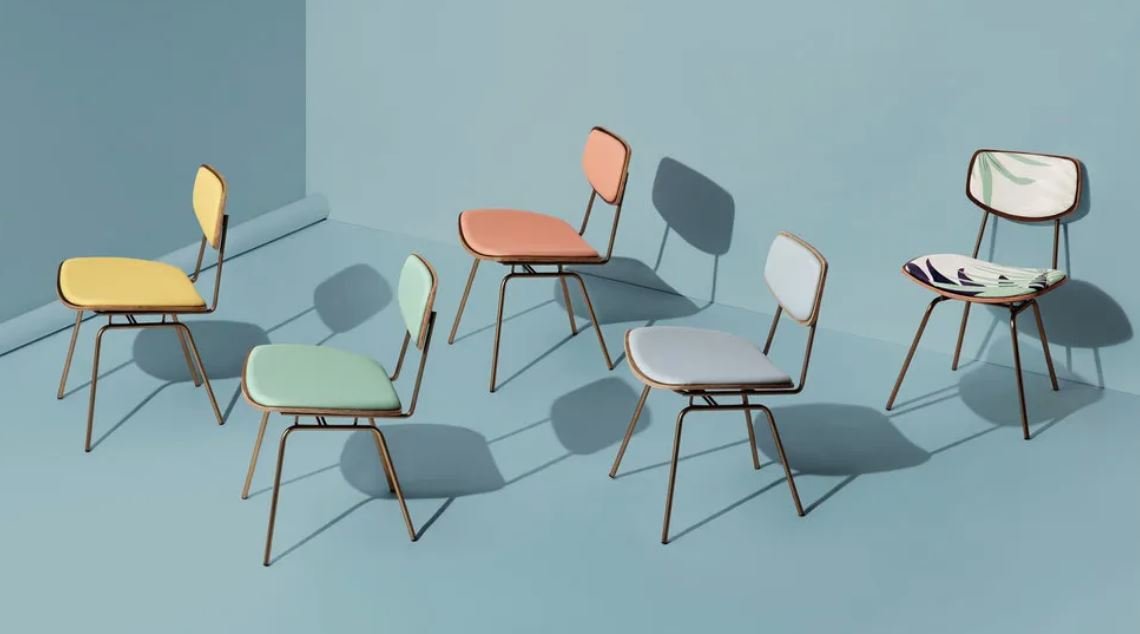
Every office has different requirements. Some businesses need to maximize limited floor space, while others want a professional environment that supports teamwork, employee comfort, and client meetings. Furniture Customized Solutions help businesses create workspaces that match their operational needs, available space, and preferred interior style.
For growing companies in Manila and Quezon City, choosing the right office furniture is an important part of workplace planning. Desks, office chairs, conference tables, storage cabinets, and reception counters all influence how employees use their workspace. With carefully planned furniture, businesses can create an organized office that looks professional and functions efficiently.
Queens Arts and Trends understands the importance of selecting furniture that complements a business’s goals and workplace environment. Customized furniture gives companies greater flexibility when choosing dimensions, materials, finishes, storage options, and layouts. Instead of relying entirely on standard furniture sizes, businesses can explore options that better suit their specific requirements.
Why Businesses Need Customized Office Furniture
Office furniture should do more than fill an empty room. It should support daily tasks, make movement easier, and help employees stay organized. Standard furniture may work well in some environments, but it does not always accommodate every office layout or business requirement.
Customized office furniture allows companies to make practical decisions about how their workspace is designed.
Better Use of Available Office Space
Office space can be expensive, particularly in busy commercial areas of Metro Manila. Businesses need to use every available area effectively without making the workplace feel crowded.
Custom desks, fitted storage cabinets, and space-saving workstations can help companies organize their offices more efficiently. For example, a startup operating from a compact office in Quezon City may benefit from workstations designed to fit the room’s dimensions.
Similarly, a corporate office in Manila may need a combination of individual workstations, meeting areas, and collaborative spaces. Furniture designed around the available floor plan can help create a more practical arrangement.
Furniture That Matches Business Requirements
Different industries require different furniture features. A corporate office may need executive desks and conference tables, while a school may require durable desks, chairs, and storage units.
Furniture Customized Solutions make it easier to consider these differences during the planning process. Businesses can select designs that support their daily activities rather than adjusting their workflow around unsuitable furniture.
Queens Arts and Trends can be considered when exploring furniture options that align with a company’s functional and aesthetic preferences.
A Consistent Professional Appearance
Furniture contributes to the overall impression a business creates. A coordinated interior can make an office feel organized, welcoming, and professional.
Companies can select matching colors, finishes, materials, and furniture styles to maintain visual consistency throughout the workplace. Reception counters, executive desks, meeting tables, and storage units can all complement the same interior design concept.
This consistency is especially valuable for businesses that regularly welcome clients, suppliers, business partners, or prospective employees.
Types of Furniture Customized Solutions for Different Workspaces
Before choosing furniture, businesses should identify which areas need improvement and what each space must accomplish.
Customized Office Desks and Workstations
Workstations are central to many office environments. Employees need enough room for computers, documents, office supplies, and other equipment used throughout the working day.
Customized desks can be planned around available space, employee requirements, and office layout. Options may include individual desks, shared workstations, corner desks, and collaborative desk arrangements.
When evaluating workstation designs, consider desk height, surface area, cable management, legroom, and access to nearby storage. These details can make everyday work more convenient and help maintain a tidy environment.
Executive Tables and Office Desks
Executive offices often require furniture that combines practical features with a professional appearance. A well-planned desk should provide sufficient working space, convenient storage, and a design that complements the rest of the office.
Businesses can consider different tabletop finishes, cabinet configurations, dimensions, and colors. The best choice depends on the available room, intended use, and overall interior design.
Conference and Meeting Tables
Meeting rooms support presentations, planning sessions, interviews, and discussions with clients. The conference table should accommodate the expected number of participants without restricting movement.
Customized conference tables can be designed in rectangular, oval, or other suitable configurations. Additional features may include cable openings, integrated power access where appropriate, and finishes that match the office interior.
When planning a meeting room, consider the space required for chairs, walkways, presentation equipment, and doors. A suitable table should support collaboration without overcrowding the room.
Reception Counters and Waiting Area Furniture
The reception area is often the first space visitors encounter. Its furniture should provide a welcoming appearance while supporting the receptionist’s daily responsibilities.
Customized reception counters can accommodate computer equipment, paperwork, storage, and visitor interaction. Their dimensions and design should suit the entrance area and allow convenient movement.
Waiting area furniture should also reflect the needs of visitors. Businesses may consider comfortable seating, practical spacing, and durable materials that are suitable for regular use.
Customized Storage Cabinets and Pedestals
A well-organized office requires adequate storage for documents, stationery, equipment, and other work materials.
Storage cabinets, mobile pedestals, shelving units, and filing solutions can be selected according to the available space and storage requirements. Businesses with limited floor area may benefit from vertical storage, while larger offices may need dedicated filing and supply areas.
Before selecting storage furniture, determine what needs to be stored, how frequently employees access it, and whether secure compartments are necessary.
How to Choose the Right Customized Furniture for Your Office
Selecting office furniture requires more than comparing appearances. Businesses should evaluate functionality, durability, budget, and long-term requirements before making a decision.
Assess Your Office Layout
Begin by measuring the available space. Record the dimensions of rooms, doorways, windows, columns, and other features that may affect furniture placement.
A floor plan can help identify suitable locations for workstations, meeting tables, storage units, and reception furniture. It also helps reduce the risk of purchasing furniture that does not fit the intended area.
For offices in Manila and Quezon City, consider the specific layout of the leased or owned premises before finalizing furniture dimensions.
Identify Employee and Operational Needs
Consider how employees use the office throughout the day. Some teams need individual workstations, while others require shared tables or collaborative areas.
Procurement teams should also identify requirements related to storage, equipment, visitor access, and future expansion. Understanding these needs makes it easier to select furniture that serves a clear purpose.
Compare Materials and Finishes
Materials affect furniture appearance, maintenance, and durability. Different surfaces may be appropriate for different applications.
When evaluating furniture, consider the following:
- Work surfaces: Choose finishes that suit the expected level of daily use and cleaning.
- Structural components: Check stability, construction quality, and weight-bearing requirements.
- Storage units: Evaluate hinges, drawer runners, handles, and locking mechanisms where applicable.
- Upholstered furniture: Consider fabric durability, cleaning requirements, and comfort.
- Finishes and colors: Select options that complement the interior while remaining practical for everyday use.
Ask for material specifications and product details before confirming an order.
Establish a Realistic Budget
Customized furniture costs can vary depending on dimensions, materials, construction, finishes, quantity, and installation requirements.
A clear budget helps businesses prioritize essential furniture and avoid unnecessary expenses. It is also useful to request a detailed quotation that explains the furniture specifications, quantities, delivery arrangements, installation charges, and applicable warranties.
Rather than selecting furniture based only on the lowest price, compare overall value, expected durability, and suitability for the intended workspace.
Plan for Future Growth
Businesses often change their staffing levels, departments, and office layouts over time. Furniture should accommodate these changes wherever possible.
Modular workstations, movable storage units, and flexible meeting furniture can make future rearrangements easier. Companies planning to expand should discuss their anticipated requirements before finalizing their furniture selection.
Customized Furniture for Different Industries
Furniture requirements vary according to the activities performed in each workplace. A suitable solution should reflect the needs of the people using the space.
Corporate Offices and Established Businesses
Corporate workplaces may require executive desks, employee workstations, conference tables, reception counters, and coordinated storage systems.
Furniture selection should support efficient daily operations while maintaining a consistent professional appearance. Companies may also benefit from standardized furniture specifications across multiple departments.
Startups and Small Businesses
Startups often work within limited budgets and compact office layouts. Space-efficient desks, practical storage, and flexible furniture arrangements can help them make better use of their available resources.
Businesses expecting to grow should consider furniture that can be rearranged or supplemented as their teams expand.
Schools and Educational Institutions
Schools, training centers, and educational offices need furniture suited to their users and activities. Requirements may include classroom desks, chairs, staff workstations, administrative tables, and storage cabinets.
Durability, ease of maintenance, appropriate dimensions, and safe construction should be important considerations during selection.
Hospitals and Healthcare Facilities
Administrative offices in hospitals and healthcare facilities may require reception counters, staff desks, filing cabinets, and workstations.
Furniture should suit the intended environment and its cleaning and maintenance requirements. For clinical areas, businesses should verify that the selected furniture meets applicable hygiene, safety, and facility requirements.
Architects and Interior Designers
Architects and interior designers often need furniture that fits a particular design concept, floor plan, or project specification.
Customized furniture can help align dimensions, finishes, materials, and functional features with the approved interior design. Clear drawings, measurements, and specifications are especially valuable when coordinating furniture with other contractors.
Benefits of Working With Queens Arts and Trends
Choosing an office furniture supplier involves understanding the business’s requirements and identifying products that meet the project’s practical needs.
Queens Arts and Trends can be part of the selection process for businesses exploring office furniture options. Before placing an order, buyers should clearly communicate their requirements and confirm the available customization options.
A productive furniture planning process should cover several important areas.
- Requirement assessment: Identify the number of employees, furniture types, and intended uses.
- Space planning: Confirm measurements and proposed furniture placement.
- Design selection: Discuss suitable dimensions, finishes, colors, and configurations.
- Quotation review: Check quantities, specifications, pricing, and additional charges.
- Delivery coordination: Confirm the expected delivery schedule and site access requirements.
- Installation planning: Establish whether installation is included and how the work will be coordinated.
- After-sales support: Ask about applicable warranties, maintenance guidance, and procedures for addressing defects.
These steps help businesses make informed decisions and establish clear expectations before committing to a furniture purchase.
Common Mistakes to Avoid When Ordering Customized Office Furniture
Even a well-planned office project can encounter problems when important details are overlooked.
Choosing Appearance Over Function
Attractive furniture may not meet everyday requirements if it lacks sufficient workspace, storage, or convenient access. Evaluate practical features alongside appearance.
Ignoring Measurements
Incorrect measurements can create installation problems and restrict movement. Measure the room carefully and account for doors, elevators, corridors, and delivery access.
Overlooking Ergonomics
Employees spend significant time at their desks. Consider suitable desk dimensions, adjustable seating where appropriate, monitor placement, and adequate legroom when planning workstations.
Failing to Confirm Specifications
Before production or delivery, confirm furniture dimensions, materials, finishes, quantities, and any special features in writing. This helps reduce misunderstandings and makes it easier to evaluate the completed order.
Forgetting Future Requirements
Furniture that suits the current team may become less practical as the business grows. Consider whether additional workstations, extra storage, or a revised layout may be needed later.
Why Local Planning Matters for Businesses in Manila and Quezon City
Office furniture projects in Metro Manila can involve different building layouts, delivery arrangements, access restrictions, and installation schedules. These practical details should be considered before an order is finalized.
Businesses in Manila may need to coordinate furniture delivery with building management, loading areas, and available installation hours. Offices in Quezon City may have their own requirements depending on the property, floor level, and surrounding access roads.
When requesting a furniture quotation, provide the installation address, approximate project size, preferred delivery schedule, and any building restrictions that could affect the work.
It is also helpful to confirm whether site measurements, delivery, assembly, and installation are available for the specific location. These services should be verified directly with the supplier rather than assumed.
For businesses comparing office furniture suppliers, clear communication and documented specifications can make the purchasing process more predictable.
Frequently Asked Questions About Furniture Customized Solutions
What are Furniture Customized Solutions?
Furniture Customized Solutions are furniture options planned around specific space, design, functional, and operational requirements. They may include customized dimensions, finishes, layouts, storage features, and configurations.
Is customized office furniture suitable for small offices?
Yes. Customized desks, compact workstations, and fitted storage can help small offices use their available floor space more efficiently.
Which furniture can be customized for a corporate office?
Common options include office desks, executive tables, workstations, conference tables, reception counters, filing cabinets, and storage units. Available features depend on the supplier and product specifications.
How much do customized office furniture solutions cost in the Philippines?
Costs depend on the materials, dimensions, design complexity, order quantity, and delivery or installation requirements. Request a detailed quotation based on your project specifications for an accurate estimate.
How can I choose a reliable office furniture supplier in Manila or Quezon City?
Review product specifications, material quality, quotation details, delivery arrangements, warranty terms, and customer feedback. Confirm the supplier’s ability to meet your project requirements before placing an order.
How long does it take to complete a customized furniture order?
The timeline depends on the design, materials, production requirements, order volume, and delivery arrangements. Confirm the expected completion date with the supplier before approving the order.
Is customized furniture a good investment for growing businesses?
It can be. Furniture designed around current needs and future expansion plans may improve space utilization and reduce the need for unsuitable replacements. The value depends on the furniture’s quality, cost, and long-term usefulness.
What information should I provide when requesting a furniture quotation?
Provide your office location, room measurements, required furniture types, quantities, preferred materials, budget, and desired delivery schedule. Floor plans or reference images can also help communicate your requirements.
Create a More Functional Workspace With Queens Arts and Trends
The right furniture can help businesses create an office that supports productivity, organization, and a professional working environment. From employee workstations and executive desks to meeting tables and storage cabinets, every furniture choice should serve a clear purpose.
Furniture Customized Solutions give businesses greater flexibility to match their furniture with available space, daily operations, interior design, and future plans. Careful measurements, suitable materials, transparent quotations, and clear project specifications are essential for achieving a successful result.
For businesses in Manila and Quezon City, Queens Arts and Trends is a brand to consider when exploring office furniture options for a new workspace, office renovation, or business expansion.


