 Skip to content

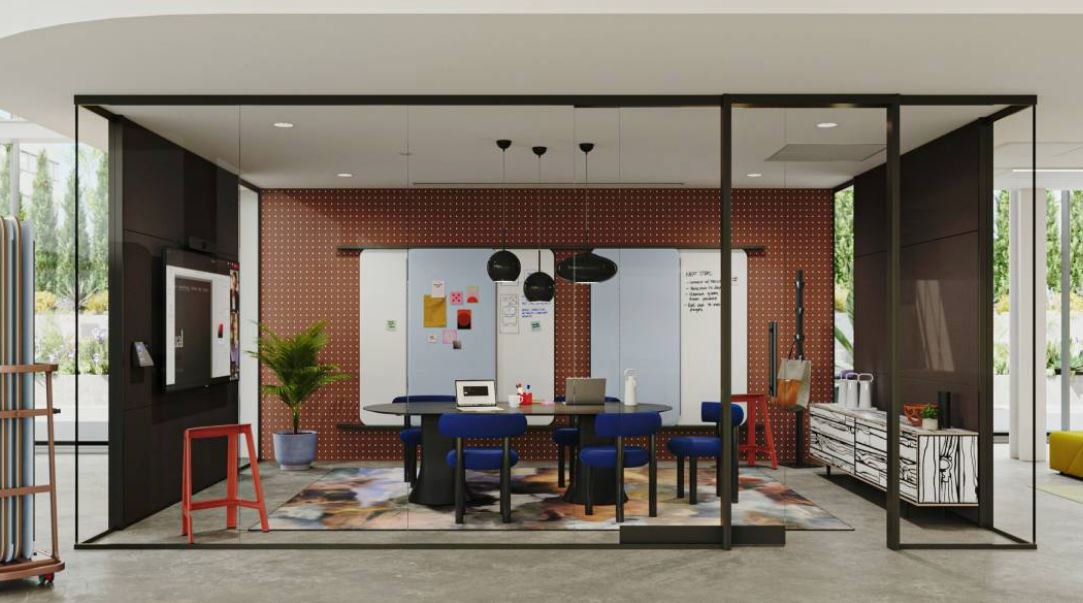
Choosing the right furniture is an important step in creating a productive, organized, and comfortable workplace. A well-planned office helps employees work efficiently, supports collaboration, and creates a professional impression for clients and business partners. Reliable Office Furniture Supply is essential for companies that want to furnish new offices, upgrade existing workspaces, or expand their operations without compromising on quality, functionality, or comfort. In Manila and Quezon City, businesses have different furniture requirements depending on their office size, industry, budget, and working environment.
Why Office Furniture Supply Matters for Businesses
Office furniture is more than a collection of desks and chairs. It influences how employees perform daily tasks, how teams communicate, and how effectively available space is used. Choosing suitable furniture can help businesses maintain an organized environment while supporting employee comfort and professional standards.
Companies that plan their furniture purchases carefully can avoid unnecessary expenses and reduce the risk of buying items that do not fit their workspace. For example, a startup may need compact desks and flexible seating, while a corporate office may require executive tables, conference furniture, storage cabinets, and ergonomic chairs.
A dependable furniture purchasing process also makes it easier to maintain a consistent design throughout the office. Businesses can select furniture that complements their brand identity, meets practical requirements, and accommodates future growth.
Types of Office Furniture Every Workplace Needs
Different work environments require different furniture solutions. Understanding the main categories helps business owners and procurement teams make informed purchasing decisions.
Office Desks and Workstations
Office desks provide employees with dedicated spaces for computer work, paperwork, meetings, and other daily responsibilities. The ideal desk depends on the employee’s role, available floor space, and equipment requirements.
Individual desks are suitable for private offices and focused work. Shared workstations can help organizations accommodate larger teams, while modular desk systems allow businesses to adjust their layouts as staffing needs change.
When selecting office desks, consider the following factors:
- Available workspace and desk dimensions.
- Cable management for computers and electronic equipment.
- Storage options for documents and office supplies.
- Durable materials that suit daily business use.
- Desk height and compatibility with ergonomic chairs.
Ergonomic Office Chairs
Office chairs play a significant role in employee comfort, particularly in workplaces where people spend extended periods sitting. Adjustable seat height, lumbar support, suitable seat depth, and supportive backrests can help employees maintain a more comfortable working position.
Businesses should evaluate chairs according to their intended use rather than choosing models based on appearance alone. Staff members may have different body sizes, work routines, and support requirements.
For offices in Manila and Quezon City, purchasing chairs with durable upholstery and easy-to-maintain materials can also be practical in busy work environments.
Conference and Meeting Tables
Meeting rooms need Office Furniture Supply that supports communication, presentations, and collaborative decision-making. A conference table should provide enough space for participants, laptops, documents, and other meeting essentials.
Small businesses may benefit from compact meeting tables, while larger organizations may need extended conference tables with integrated cable management. The table’s shape and size should match the room layout and the number of people who typically attend meetings.
Storage Cabinets and Filing Systems
Organized storage helps businesses keep documents, supplies, and equipment accessible. Filing cabinets, mobile pedestals, shelving units, and lockable cupboards can reduce desk clutter and support better workplace organization.
Companies that handle confidential records should consider secure storage options. Schools, hospitals, and government offices may also need furniture designed to accommodate their specific documentation and operational requirements.
Reception and Executive Furniture
Reception furniture creates the first impression for visitors, customers, and business partners. Reception desks should provide adequate working space for front-desk staff while maintaining an organized and welcoming appearance.
Executive furniture, meanwhile, can combine functionality with a professional design. Executive desks, ergonomic chairs, side cabinets, and meeting tables should complement the overall office interior without making the space feel crowded.
How to Choose the Right Office Furniture Supply for Your Business
Selecting furniture requires more than comparing prices. Businesses should assess their operational needs, available space, expected usage, and long-term plans before making a purchase.
Assess Your Office Layout
Start by measuring the office and identifying the areas that require furniture. Consider workstations, meeting rooms, reception areas, storage spaces, and private offices.
Leave enough room for employees to move comfortably between desks and for doors, drawers, and cabinets to open properly. A well-planned layout can improve workflow and prevent overcrowding.
For offices with limited floor space in Metro Manila, compact desks, vertical storage, and modular furniture can help make better use of the available area.
Establish a Realistic Budget
A furniture budget should account for more than the initial purchase price. Depending on the supplier and project, additional costs may include delivery, installation, assembly, customization, and maintenance.
Businesses should compare quotations carefully and confirm which services are included. A lower-priced product may not offer the same durability, functionality, or service support as another option.
Instead of choosing furniture solely by cost, consider its expected lifespan, maintenance requirements, and suitability for everyday use.
Prioritize Quality and Durability
Office furniture experiences regular use, so material quality and construction matter. Desk frames, table surfaces, chair mechanisms, drawer runners, and cabinet hinges should be suitable for the expected workload.
Common furniture materials include engineered wood, solid wood, metal, laminate, and fabric or mesh upholstery. Each option has different characteristics in terms of appearance, maintenance, durability, and cost.
Ask suppliers about available specifications, product warranties, maintenance guidance, and replacement-part availability where applicable.
Consider Employee Comfort
Comfortable furniture can support a better working environment. Choose desks with adequate working surfaces and chairs that offer appropriate adjustments. Make sure frequently used equipment can be positioned within comfortable reach.
For employees who spend much of the day at a computer, ergonomic considerations should be part of the purchasing process from the beginning.
Plan for Future Expansion
Growing businesses may need additional workstations, meeting tables, or storage within a relatively short period. Modular furniture and coordinated product ranges can make future expansion easier.
Before placing an order, ask whether matching items can be purchased later and whether the furniture system can accommodate changes in the office layout.
Office Furniture Supply in Manila and Quezon City
Businesses in Manila and Quezon City operate in a wide range of environments, including corporate buildings, coworking spaces, educational institutions, medical facilities, and commercial establishments. Each setting has its own furniture requirements.
In Manila, companies working in compact offices may prioritize space-saving desks, practical storage, and multifunctional furniture. Organizations with larger premises may need complete workstation systems, executive furniture, and conference room installations.
In Quezon City, startups, established companies, schools, and professional service providers may require different combinations of desks, chairs, cabinets, and collaborative work areas. Furniture selection should reflect the actual activities performed in the space rather than relying on a one-size-fits-all solution.
Businesses comparing Office Furniture Supply options should confirm product availability, delivery coverage, lead times, installation arrangements, and the supplier’s ability to accommodate their order size.
For larger projects, it is useful to prepare a furniture schedule listing each item, its quantity, dimensions, finish, intended location, and any special requirements. This helps procurement teams compare quotations accurately and coordinate delivery more efficiently.
Office Furniture Solutions for Different Industries
Furniture requirements vary according to how an organization operates. Understanding these differences helps buyers select practical solutions.
Corporate Offices
Corporate workplaces often need standardized desks, ergonomic chairs, storage cabinets, meeting tables, and executive furniture. Consistent furniture styles can create a coordinated appearance across departments while helping procurement teams manage larger orders.
Startups and Small Businesses
Startups often work with limited budgets and changing team sizes. Compact desks, mobile pedestals, stackable chairs, and modular workstations can provide flexibility without requiring a complete redesign whenever the business grows.
Schools and Educational Institutions
Schools need furniture suited to administrative offices, faculty rooms, meeting areas, and student support facilities. Buyers should consider durability, ease of maintenance, and appropriate dimensions for the intended users.
Hospitals and Healthcare Facilities
Healthcare organizations may need administrative desks, reception counters, filing cabinets, and staff workstations. Furniture selection should reflect the function of each area, cleaning requirements, available space, and applicable facility standards.
Government Offices and Procurement Teams
Government departments and institutional buyers may require detailed specifications, formal quotations, quantity schedules, and documentation that follows their procurement procedures. Clear product descriptions and accurate order details can help reduce misunderstandings during purchasing and delivery.
Common Mistakes to Avoid When Purchasing Office Furniture
Even a well-funded office project can encounter problems if furniture decisions are rushed. Avoiding common mistakes can help businesses protect their budgets and achieve better results.
- Ignoring measurements: Furniture that looks suitable in a showroom may not fit the actual office layout.
- Choosing price over suitability: Low initial costs do not always mean better long-term value.
- Overlooking ergonomics: Poorly matched desks and chairs can make everyday work less comfortable.
- Buying unnecessary furniture: Excessive storage or oversized tables can waste valuable floor space.
- Failing to confirm delivery details: Unclear delivery schedules and installation arrangements can delay office setup.
- Neglecting future needs: Furniture that cannot accommodate expansion may require early replacement.
- Not checking specifications: Missing details about dimensions, materials, finishes, or warranties can lead to unsuitable purchases.
Creating a furniture checklist before requesting quotations can help prevent these issues and keep the purchasing process organized.
How to Compare Office Furniture Suppliers
A suitable supplier should provide clear product information and help buyers identify furniture that matches their needs. Comparing suppliers carefully is especially important for businesses purchasing multiple items or furnishing an entire office.
Consider these factors when evaluating your options:
Product range: Check whether the supplier offers desks, chairs, workstations, storage systems, meeting tables, and other furniture required for your project.
Product specifications: Review dimensions, materials, finishes, construction details, and available configurations.
Quotation clarity: Confirm quantities, unit prices, delivery charges, installation costs, and any applicable additional fees.
Order coordination: Ask about product availability, estimated lead times, delivery scheduling, and procedures for handling damaged or incomplete orders.
After-sales support: Understand the warranty terms, maintenance recommendations, and process for reporting product issues.
Customization options: If your office has unusual dimensions or specific design requirements, ask whether suitable configurations or customized solutions are available.
References and experience: Where possible, review relevant project examples, customer feedback, and evidence of experience supplying offices similar to yours.
These checks help procurement teams make decisions based on suitability, reliability, and overall value rather than price alone.
Why Planning Your Office Furniture Purchase Matters
A successful furniture project begins with a clear understanding of what the workplace needs. Start by listing the employees or departments that require furniture, measuring each area, and identifying essential items.
Next, establish a budget and prioritize purchases according to business requirements. Core workstations, suitable chairs, and essential storage may take priority over decorative additions. Once the main requirements are clear, compare product specifications and request quotations from suitable suppliers.
For larger offices, a phased purchasing plan can help coordinate furniture delivery with renovation schedules, electrical work, network installation, and employee relocation. This approach can also reduce disruption to ongoing business operations.
Queens Arts and Trends can be considered as part of your office furniture sourcing research. Before committing to an order, discuss your specific requirements, verify the available product range, and confirm delivery and installation arrangements directly with the business.
Frequently Asked Questions
What is included in office furniture supply?
Office furniture supply can include desks, ergonomic chairs, workstations, conference tables, filing cabinets, reception desks, storage units, and executive furniture. The exact range depends on the supplier.
How do I choose office furniture for a small office?
Measure the available space, prioritize essential furniture, and consider compact desks, mobile storage, and modular workstations. Keep enough room for comfortable movement.
Where can businesses source office furniture in Manila?
Businesses can compare furniture suppliers serving Manila by reviewing their product ranges, specifications, quotations, delivery coverage, and after-sales support.
What should I consider when buying office furniture in Quezon City?
Consider your budget, office layout, employee requirements, product durability, delivery schedule, and installation needs. Request detailed quotations to compare suitable options.
Is ergonomic office furniture important?
Yes. Adjustable chairs and appropriately sized desks can support comfortable working positions and help employees organize their workstations effectively.
How can businesses reduce office furniture costs?
Prepare a detailed inventory, compare itemized quotations, prioritize essential purchases, and select durable furniture suited to the intended use. Avoid buying unnecessary items.
Should I consider customized office furniture?
Customized furniture may be useful when standard products do not fit your space, storage requirements, or preferred layout. Compare customization costs, production timelines, and specifications before deciding.
What should I ask a furniture supplier before ordering?
Ask about product dimensions, materials, availability, pricing, delivery, installation, warranty coverage, and after-sales support. Confirm all important details in writing.
Conclusion
Choosing suitable office furniture is an investment in workplace organization, employee comfort, and long-term business efficiency. By evaluating your layout, comparing product specifications, establishing a realistic budget, and checking supplier capabilities, you can make informed purchasing decisions for offices of different sizes and industries.
Whether you are furnishing a startup, upgrading a corporate workspace, or planning a larger institutional project in Manila or Quezon City, a structured purchasing process can help you avoid common mistakes and select furniture that meets your operational needs.
Queens Arts and Trends can be included in your supplier evaluation process as you explore furniture options for your workplace. Prepare your furniture requirements, identify your preferred specifications, and request a detailed quotation to determine which solutions best fit your space, budget, and business goals.


