 Skip to content
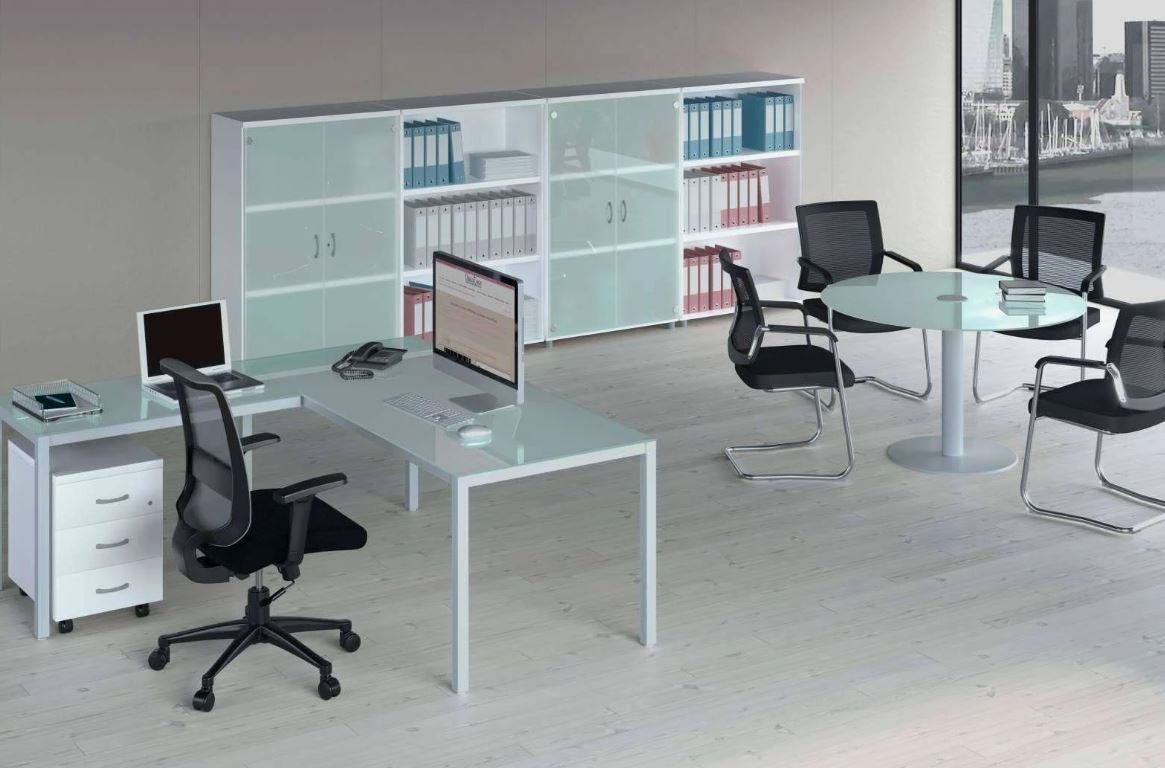
Startups often begin with limited space, tight budgets, and rapidly changing team sizes, which makes the selection of office setup extremely important from the very beginning. A well-planned workspace not only supports daily operations but also influences team collaboration, efficiency, and long-term growth potential. In today’s competitive business environment, companies must think strategically about how their office environment reflects their goals and culture. This is where furniture for startups plays a crucial role, because it is not just about filling a room with desks and chairs, but about building an environment that supports innovation, flexibility, and productivity from day one. When the right furniture is chosen, it helps create a professional atmosphere that can impress clients, motivate employees, and adapt as the business expands.
Importance of Ergonomic and Scalable Office Setup
For growing businesses, ergonomics should never be overlooked because employees spend long hours at their desks and comfort directly impacts productivity. Ergonomic chairs, adjustable desks, and well-structured workstations reduce physical strain and help prevent long-term health issues such as back pain and fatigue. Startups that prioritize employee well-being often see higher engagement and better performance across teams. Scalability is another key factor, as startups frequently expand or reorganize teams based on projects and funding stages. Modular office furniture allows businesses to reconfigure layouts without major expenses or disruptions. This flexibility ensures that the workspace evolves with the company instead of becoming a limitation. A thoughtful setup also improves communication flow, ensuring that teams can collaborate easily without feeling cramped or disconnected.
Choosing the Right Furniture for Startups
Selecting the right furniture is one of the most important decisions for any new business because it affects both functionality and aesthetics. When choosing furniture for startups, it is essential to focus on durability, flexibility, and design consistency. Durable materials such as engineered wood, steel frames, and high-quality laminates ensure long-term usage without frequent replacements, which helps save costs in the long run. At the same time, startups should consider multi-purpose furniture that serves more than one function, such as desks with built-in storage or foldable meeting tables that can be adjusted according to team size. Another important aspect is maintaining a cohesive design theme throughout the office space, as it helps build a strong brand identity and creates a professional environment that reflects trust and stability. Color schemes, textures, and layout planning should all work together to support a productive workplace culture.
Space Optimization in Small Startup Offices
Many startups operate in compact office spaces, especially during their early stages, which makes space optimization a critical requirement. Smart planning allows even small offices to feel open, organized, and efficient. Vertical storage solutions such as wall-mounted shelves and tall cabinets help save floor space while keeping essential documents and supplies within reach. Open-plan layouts are also popular among startups because they encourage teamwork and communication while reducing unnecessary barriers between employees. However, it is equally important to balance openness with privacy by incorporating meeting pods or partition screens where needed. Proper placement of desks, lighting, and movement pathways ensures that the office remains clutter-free and easy to navigate, which directly contributes to better focus and reduced stress levels among employees.
Budget-Friendly Yet Modern Furniture Solutions
Startups often work within strict financial limits, so finding cost-effective furniture solutions is essential. Fortunately, affordability does not mean compromising on style or quality. Many modern furniture designs are specifically created for startups, offering sleek aesthetics at reasonable prices. Investing in essential core items first, such as ergonomic chairs, functional desks, and storage units, allows businesses to build a strong foundation before expanding into decorative or luxury elements. Additionally, choosing neutral and timeless designs helps avoid frequent redesign costs as trends change over time. Reusable and modular furniture is also a smart investment because it can be adapted or expanded without requiring complete replacement, making it a financially sustainable choice for growing companies.
How Furniture Impacts Productivity and Branding
Office furniture has a direct influence on how employees feel and perform in their work environment. A well-organized and comfortable workspace reduces distractions and helps employees maintain focus for longer periods. When individuals feel physically comfortable, they are more likely to stay motivated and engaged in their tasks. Beyond productivity, furniture also plays a major role in shaping brand identity. Clients and visitors often form their first impression of a company based on its office environment. A modern, clean, and well-structured workspace reflects professionalism and reliability. On the other hand, a poorly organized office can create a negative perception, even if the company delivers high-quality services. Therefore, investing in the right design and layout is not just an operational decision but also a branding strategy that supports long-term success.
Final Thoughts
Creating the right office environment is a long-term investment that influences productivity, employee satisfaction, and overall business growth. Startups that focus on thoughtful planning and smart furniture choices position themselves for better scalability and stronger brand identity in the future. A well-designed workspace is not only functional but also inspiring, helping teams stay motivated and aligned with company goals. From ergonomic seating to modular layouts, every detail contributes to building a successful foundation for growth. Brands like Queens arts and trends understand the importance of combining functionality with modern design, ensuring that startups can build workspaces that truly support their journey from small beginnings to strong, established businesses.


