 Skip to content

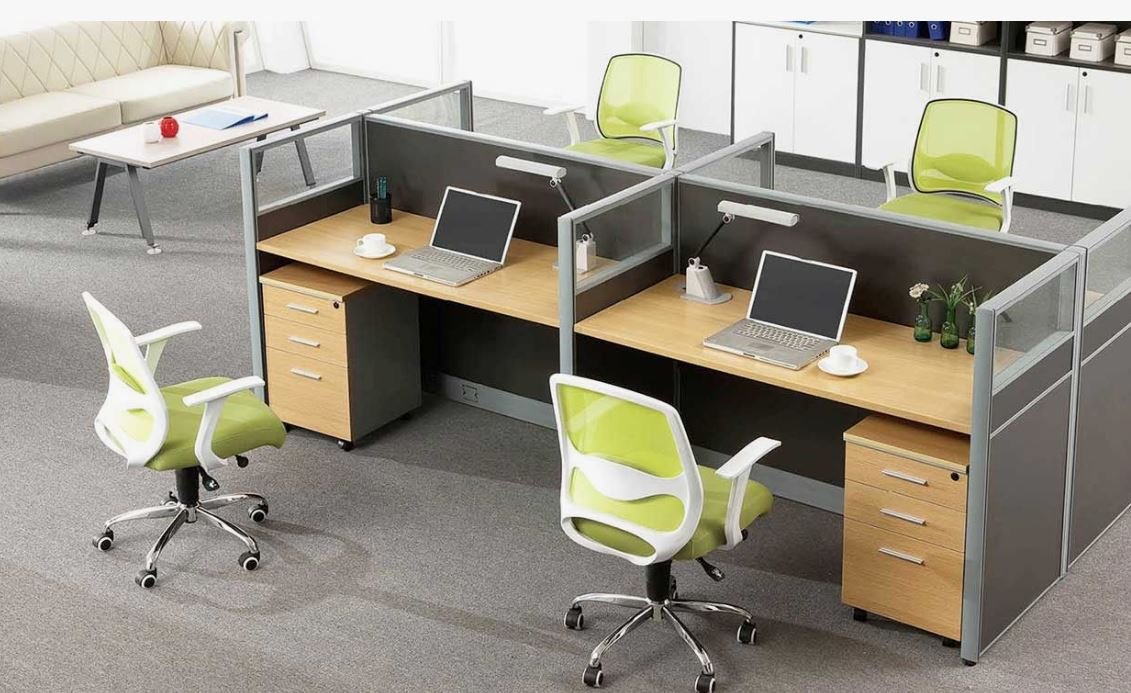
Choosing the right furniture partner is an important step when planning a new office, renovating a commercial space, or furnishing multiple work areas. Businesses need furniture that fits their layout, supports employee productivity, and stays within budget. A reliable Furniture Project Supplier can help simplify the process by coordinating furniture selection, space requirements, product specifications, and project delivery. For companies in Manila and Quezon City, working with a supplier that understands commercial furniture needs can make office furnishing more organized and efficient.
Why Businesses Need a Reliable Furniture Project Supplier
Office furniture projects involve more than purchasing desks and chairs. They often require careful planning, accurate measurements, coordinated deliveries, and furniture that matches the purpose of each workspace. Without proper coordination, businesses may experience delays, unsuitable furniture selections, or unnecessary expenses.
A professional supplier helps businesses identify the right products for their operational needs. These may include executive desks, ergonomic office chairs, conference tables, workstations, filing cabinets, reception counters, and storage solutions.
Businesses can also benefit from a coordinated purchasing process. Instead of sourcing different products from multiple vendors, companies can work with one supplier to organize their furniture requirements and maintain a consistent design throughout the office.
For startups, established corporations, educational institutions, and healthcare facilities, this approach can save time and make procurement easier to manage.
What Does a Furniture Project Supplier Do?
A Furniture Project Supplier supports businesses throughout the process of furnishing a workplace. The exact services depend on the supplier, project size, and agreed scope of work.
Typical responsibilities may include the following:
- Furniture selection: Recommending desks, chairs, tables, cabinets, and workstations according to the project’s requirements.
- Space planning coordination: Helping identify furniture dimensions and layouts that suit the available floor area.
- Product specification: Providing information about materials, dimensions, finishes, and available configurations.
- Budget planning: Preparing quotations based on the selected products, quantities, and project requirements.
- Bulk furniture procurement: Coordinating larger orders for offices, schools, and commercial facilities.
- Delivery coordination: Arranging delivery schedules according to the agreed project timeline.
- Installation support: Providing or coordinating assembly and installation when included in the service agreement.
Before choosing a supplier, businesses should confirm which services are available and whether they are included in the quotation. Clear expectations help prevent misunderstandings and keep the project moving smoothly.
Types of Office Furniture Projects for Businesses
Every workplace has different furniture requirements. A supplier should understand the purpose of the space before recommending suitable products.
Corporate Office Furniture Projects
Corporate offices often require a combination of executive furniture, employee workstations, meeting tables, storage cabinets, and reception furniture. The goal is to create a professional environment that supports daily operations while maintaining a consistent appearance.
Furniture selection should consider employee numbers, department layouts, available space, and future expansion plans. Durable materials and practical designs can also help businesses manage long-term operating costs.
Startup and Small Business Offices
Startups typically need functional furniture without exceeding their initial budgets. Compact desks, adjustable office chairs, mobile pedestals, and modular workstations can help make smaller spaces more efficient.
A flexible furniture arrangement is particularly useful for growing businesses. Modular products allow companies to reorganize their work areas as teams expand or operational requirements change.
Schools and Training Facilities
Educational institutions need furniture suited to classrooms, administrative offices, libraries, and staff rooms. Depending on the setting, requirements may include study tables, office desks, storage cabinets, computer tables, and ergonomic seating.
Durability, ease of maintenance, and appropriate dimensions should be considered when selecting furniture for frequently used spaces.
Hospitals and Healthcare Offices
Healthcare facilities may require administrative desks, staff workstations, filing cabinets, reception counters, and furniture for non-clinical office areas.
Purchasing teams should assess cleaning requirements, available space, durability, and the specific needs of each department. Furniture for clinical environments may also need to meet additional hygiene, safety, and regulatory requirements.
Government and Institutional Projects
Government departments and other institutions may need furniture for administrative offices, conference rooms, reception areas, and shared workspaces.
These projects can involve detailed product specifications, documentation, quantity requirements, and formal procurement procedures. Suppliers should be able to provide accurate quotations and the necessary product information requested by the purchasing organization.
How to Choose the Right Furniture Project Supplier in Manila and Quezon City
Selecting a supplier requires more than comparing the lowest quotation. Businesses should evaluate product quality, communication, project coordination, and the supplier’s ability to meet the stated requirements.
Review the Product Range
Choose a supplier that can accommodate the main furniture categories required for your project. A coordinated range of desks, chairs, tables, workstations, and storage products makes it easier to maintain consistency across different departments.
Ask for product specifications, available finishes, dimensions, and material details before confirming an order.
Compare Quotations Carefully
A lower initial price does not always represent the best overall value. Compare quotations based on product specifications, quantities, delivery charges, installation costs, warranty terms, and applicable taxes.
Ensure that each quotation covers the same requirements. This makes it easier to identify differences and select an option that fits your budget.
Confirm Delivery and Installation Arrangements
Furniture delivery needs to align with site readiness and the project schedule. Businesses should confirm estimated lead times, delivery access, installation responsibilities, and procedures for handling damaged or missing items.
For offices in Manila and Quezon City, building access, loading restrictions, elevator availability, and delivery schedules may affect project coordination.
Assess Communication and Documentation
Clear communication is essential when multiple products, departments, or delivery stages are involved.
A dependable supplier should provide understandable quotations, product specifications, order confirmations, and updates about important project milestones. Businesses should also clarify how changes to quantities or specifications will affect pricing and delivery.
Check Warranty and After-Sales Support
Office furniture is a long-term business investment. Before ordering, ask about warranty coverage, maintenance guidance, replacement parts, and the process for reporting product defects.
Written warranty terms help businesses understand what is covered and how support requests are handled.
Important Factors to Consider When Planning an Office Furniture Project
Successful furniture projects begin with a clear understanding of the workspace and its users. Before requesting quotations, prepare a list of the furniture items and quantities required.
Measure the available space. Record room dimensions, doorways, columns, windows, and other features that may affect furniture placement. Consider walking paths and access to essential equipment.
Establish a realistic budget. Include furniture costs, transportation, installation, and any additional services required for the project. Keeping a contingency allowance can also help accommodate unexpected requirements.
Prioritize ergonomics. Select office chairs that provide appropriate support and desks that suit the intended tasks. Employee comfort, adjustability, and workstation layout can influence everyday working conditions.
Choose suitable materials. Consider how frequently each item will be used, the environment in which it will be placed, and the level of maintenance required. The best choice balances durability, appearance, and cost.
Plan for future growth. If your business expects to hire more employees, consider modular furniture and layouts that can accommodate additional workstations.
Confirm the project timeline. Coordinate furniture ordering with renovation work, electrical installations, painting, and other site activities. This reduces the risk of furniture arriving before the space is ready.
Benefits of Working With a Coordinated Furniture Supplier
Working with a suitable supplier can make commercial furniture procurement more manageable. One of the main benefits is improved coordination. Businesses can organize multiple product requirements through a clearer purchasing process instead of handling each item independently.
Another advantage is consistency. Selecting furniture from a coordinated product range can help maintain a professional appearance across offices, meeting rooms, and reception areas.
Bulk purchasing may also provide opportunities to discuss volume-based pricing, depending on the supplier’s policies and the size of the order. Businesses should request a detailed quotation rather than assume that every large order automatically qualifies for a discount.
Project coordination can further help reduce administrative work. With product requirements, quantities, specifications, and delivery expectations documented clearly, procurement teams can monitor orders more effectively.
However, the final outcome depends on the supplier’s actual capabilities, the accuracy of the project brief, and the terms agreed before purchasing.
Common Mistakes to Avoid When Selecting a Furniture Project Supplier
Businesses can reduce procurement risks by avoiding several common mistakes.
Choosing Furniture Based Only on Price
The cheapest option may not provide the required durability, comfort, or functionality. Evaluate the specifications and expected usage before making a decision.
Ignoring Space Measurements
Furniture that looks suitable in a catalogue may not fit the actual workspace. Confirm product dimensions and prepare a layout before placing an order.
Overlooking Delivery Costs
Transportation, installation, and access requirements can affect the final project budget. Ask for these costs to be itemized wherever possible.
Failing to Confirm Product Availability
Some furniture products may require special orders or longer lead times. Verify availability and delivery estimates before committing to a project deadline.
Neglecting Future Requirements
A layout designed only for current staffing levels may become restrictive as the business grows. Consider future expansion when selecting desks, workstations, and storage systems.
Leaving Responsibilities Unclear
Confirm who is responsible for delivery, assembly, site preparation, inspection, and after-sales support. Written agreements help ensure that all parties understand their obligations.
Why Local Knowledge Matters for Office Furniture Projects
Businesses in Manila and Quezon City may have different space constraints, building requirements, and delivery arrangements. Offices in commercial buildings may need to follow specific rules for freight elevators, loading areas, and installation schedules.
Understanding these practical considerations can help businesses plan furniture deliveries more effectively. Local relevance is particularly important for organizations managing office relocations, renovations, branch openings, or multi-department furnishing projects.
When evaluating a supplier, ask whether it can serve your project location, meet your required schedule, and provide the furniture categories you need. Confirm these details directly rather than relying on general service claims.
For companies comparing suppliers, Queens Arts and Trends can be considered as part of the furniture sourcing process. Businesses should assess the available product range, project requirements, quotation details, and service arrangements to determine whether the offering matches their needs.
Questions to Ask Before Requesting a Furniture Project Quotation
Preparing the right questions can help businesses receive more accurate proposals and avoid unnecessary delays.
- What types of office furniture are available for our project?
- Can the quotation cover multiple furniture categories and quantities?
- Are product dimensions, materials, and finishes specified?
- What is the estimated delivery timeline?
- Are transportation and installation included?
- What warranty terms apply to each product?
- Can the order accommodate changes in quantities or specifications?
- What payment terms and documentation are required?
- Is after-sales support available if a product needs attention?
- Can the supplier accommodate our office location and building access requirements?
Providing the supplier with your floor plan, estimated employee count, furniture list, preferred finishes, budget, and target completion date can make the quotation process more efficient.
Frequently Asked Questions
What is a Furniture Project Supplier?
A Furniture Project Supplier provides or coordinates furniture for commercial and institutional projects, helping businesses manage product selection, quotations, quantities, and delivery requirements.
How do I choose an office furniture supplier in Manila?
Compare product quality, specifications, pricing, delivery arrangements, warranty terms, and service capabilities. Confirm that the supplier can meet your location and project requirements.
Can a furniture supplier handle bulk office furniture orders?
Some suppliers accommodate bulk orders for corporate offices, schools, and other institutions. Confirm product availability, quantities, pricing, and delivery schedules before placing an order.
What information is needed for a furniture project quotation?
Prepare a furniture list, quantities, room measurements, preferred materials, budget, delivery location, and required completion date. Include installation requirements if applicable.
Is modular furniture suitable for growing businesses?
Yes. Modular furniture can make it easier to reorganize workspaces and add workstations as staffing needs change, provided the selected system suits the available space.
What should an office furniture quotation include?
A detailed quotation should identify products, dimensions or specifications, quantities, unit prices, total costs, delivery charges, installation fees where applicable, warranty terms, and payment conditions.
Why is furniture project planning important?
Planning helps businesses coordinate budgets, product selection, workspace measurements, and delivery schedules. It can reduce avoidable costs and help ensure that furniture meets operational requirements.
Conclusion
Choosing the right furniture partner can make a significant difference to the planning, cost, and functionality of a commercial workspace. Businesses should assess furniture quality, product specifications, delivery coordination, warranty coverage, and overall value before making a purchasing decision.
A well-planned furniture project supports employee comfort, efficient space utilization, and a consistent professional environment. Whether furnishing a startup office, renovating a corporate workplace, or purchasing furniture for an institution, clear requirements and careful supplier evaluation are essential.
For businesses exploring office furnishing options in Manila and Quezon City, Queens Arts and Trends can be included in the supplier evaluation process. Prepare your furniture requirements, establish your budget, and request a detailed quotation to determine the most suitable solution for your project.


